
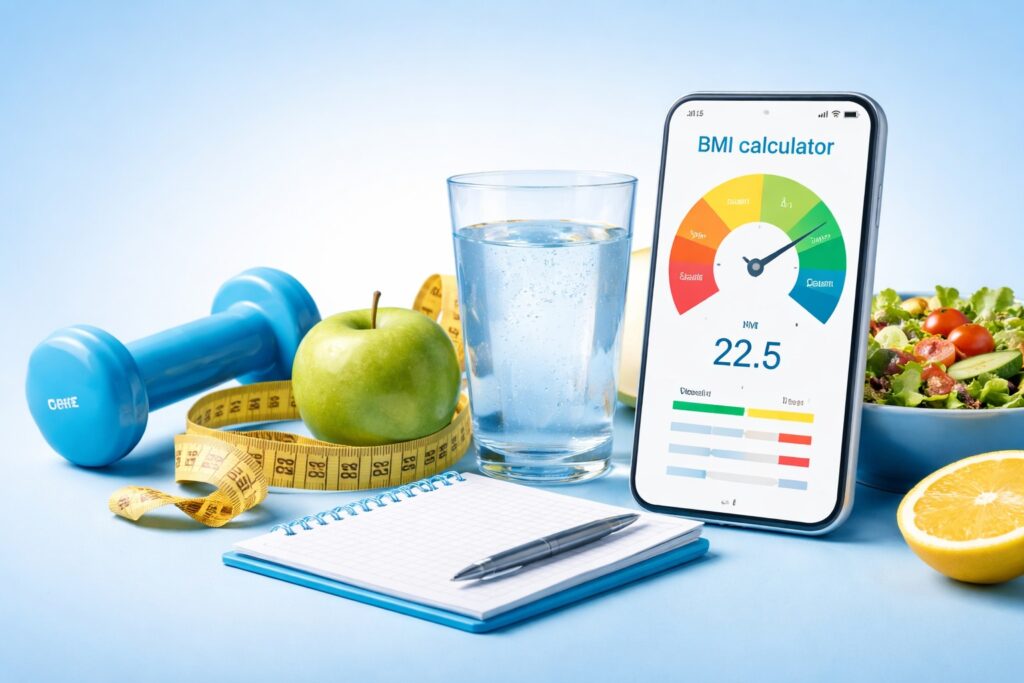
BMI Calculator
Weight has slipped back into everyday headlines because it’s a proxy for so many other anxieties: chronic illness, energy levels, sleep, mobility, confidence, cost of living, and what people expect from primary care. In the middle of that noise sits a number that looks calm and final. A BMI Calculator NHS reading feels clean, almost clinical, in a world that rarely is.
But BMI is only as useful as the judgement wrapped around it. Used responsibly, BMI Calculator NHS outputs can give a quick frame for risk, a reason to check a waist measurement, or a prompt to look at habits without turning life into a spreadsheet. Used carelessly, it can become a blunt label that misses the person entirely.
Top 9 Guides for BMI Calculator NHS
BMI Calculator for Women – Body Fat and Health Check Tool
For women, BMI is often where a broader health conversation begins, not where it ends. Weight can shift for reasons that have nothing to do with discipline or “lifestyle choices” in the narrow sense. Hormonal cycles, contraception changes, perimenopause, menopause, pregnancy history, sleep disruption, stress load, and even thyroid issues can all influence appetite, fluid retention, and body composition. A women-focused BMI calculator is useful when it acknowledges that context instead of pretending the body is a static machine.
BMI is a height-to-weight ratio. It can quickly flag whether weight sits in a broad range linked to lower or higher risk across populations. The limitation is that it can’t see body fat percentage or where fat is carried. That matters for many women because fat distribution changes across life stages. Some women gain more around the hips and thighs, some around the abdomen, and those patterns don’t carry identical risk profiles. Waist measurement becomes a critical companion because central fat often correlates more strongly with cardiometabolic risk than BMI alone.
A women-oriented “body fat and health check” framing is most helpful when it nudges people toward multi-signal interpretation. If BMI is higher but waist measurement is stable and fitness is strong, the risk story can look different than the category label implies. If BMI is in a “healthy” band but waist size is rising, sleep is poor, and activity has dropped, the risk story may be quietly shifting the other way. BMI should prompt follow-up questions, not close the case.
The other advantage is trend clarity. When women use consistent measurement conditions—same time of day, same scale, metric units, periodic checks rather than daily tracking—the BMI number becomes a useful marker of drift. It can show whether habits, stress, and life changes are accumulating in ways that may affect long-term health. The most responsible use avoids fixation and instead supports decisions: review diet quality, rebuild routine movement, prioritise sleep, manage alcohol frequency, and seek clinical advice when numbers are extreme or changing quickly. In that sense, a BMI calculator becomes less about “weight” and more about risk awareness with dignity intact.
BMI Calculator for Men – Muscle Mass and Weight Balance Guide
Men often run into BMI’s most visible flaw: it can’t distinguish muscle from fat. A man who lifts regularly, plays sport, or has naturally dense lean mass can land in an “overweight” band while carrying low body fat and strong metabolic health. That mismatch is why a men-focused BMI calculator is best framed as a “weight balance guide” rather than a simple health verdict. The goal is interpretation, not judgement.
BMI remains useful because it is fast and standardised. It can flag when weight relative to height is drifting upward in a way that commonly correlates with risk over time. Where it becomes misleading is when the number is treated as a direct proxy for fatness. Men who strength train can gain muscle and glycogen storage, increasing weight without increasing fat-related risk. Meanwhile, men with low activity and poor sleep can sit in a “normal” BMI band while accumulating central fat and losing muscle—an outcome BMI often fails to highlight.
This is why “muscle mass and weight balance” should translate into a two-part read. First, treat BMI as the broad screen. Second, check indicators that BMI can’t see. Waist measurement is the most practical. Central fat is often a stronger signal for cardiometabolic risk than BMI alone, and men tend to accumulate abdominal fat more readily as routines slip and stress rises. Fitness markers matter too: stamina, strength, resting heart rate, and recovery quality can reveal whether the body is becoming more resilient or more strained, even when BMI changes slowly.
A men’s BMI calculator also needs to respect behaviour patterns common in real life: big swings between disciplined weeks and “off the rails” weekends, alcohol-driven calorie load, and inconsistent sleep. Those drivers can move waist size and metabolic markers before they meaningfully move BMI. Used well, the calculator becomes a checkpoint that encourages earlier course correction rather than late-stage reaction.
The most grounded use is periodic. Weigh at the same time of day, avoid measuring right after meals, use metric inputs, and track trends over months. If BMI rises and waist rises, that’s a clear signal to review diet structure, daily movement, and sleep. If BMI is high but waist is stable and performance is improving, the category label deserves less emotional weight. The outcome shouldn’t be obsession with a number. It should be better decisions built on a fuller picture.
BMI Calculator for Children – Growth and Healthy Weight Assessment
Children’s BMI is not adult BMI scaled down. A child’s body is in motion: height changes quickly, weight changes in spurts, and composition shifts with development. That’s why a “BMI calculator for children” is only responsible when it is tied to growth context. A child can appear to “jump” categories simply because height has not caught up to a weight gain phase, or because puberty timing differs from peers. Without age-related interpretation, the number can mislead.
A proper children’s BMI assessment is about growth patterns and proportionality, not a fixed target. It’s less useful to ask, “What is the BMI today?” and more useful to ask, “Is the child tracking along a consistent growth pathway, and does it match wellbeing and function?” Appetite, energy, sleep, mood, activity, and family context matter. So do practical realities: school schedules, screen time, food environments, and stress within the household. BMI can’t see those factors, but they shape outcomes more than a single measurement.
The language matters too. Children are sensitive to labels, and weight talk can become identity talk fast. A child-focused BMI tool should be framed as a health check, not a moral score. When the number suggests concern, the next step shouldn’t be restriction or shame. It should be a calmer review: is the child moving enough, sleeping enough, eating regular meals, and getting nutrient-dense foods? Is there emotional eating, bullying stress, or a sudden change in routine? Are there medical issues affecting appetite or activity?
Another layer is accuracy. Height must be measured carefully without shoes, and weight should be taken consistently, ideally at similar times. Daily weighing is rarely helpful for children because fluctuations can create anxiety for both child and parent. A spaced approach, paired with professional guidance, makes more sense.
In practice, children’s BMI is most valuable when it prompts supportive action: more active play, healthier household routines, less ultra-processed snacking, and better sleep hygiene. If the result is extreme or changing rapidly, clinical advice is important to rule out underlying issues and to ensure interventions protect growth and mental wellbeing. The best “healthy weight assessment” is protective, patient, and context-led.
BMI Calculator for Teen – Age-Based Body Mass Evaluation
Teen BMI sits at an awkward intersection: the body is changing quickly, self-image is fragile, and comparisons are relentless. An “age-based body mass evaluation” is a sensible framing because it acknowledges that teenagers aren’t miniature adults. Height spurts, hormonal shifts, muscle development, and changes in fat distribution are part of normal growth. A teen can gain weight appropriately while their height catches up later, or their body can change shape without large scale movement. A simple ratio won’t capture that complexity.
Teen BMI is useful when it’s treated as a trend signal rather than a label. One-off readings can be noisy. Measurement inconsistency—different scales, different times of day, post-meal weigh-ins—can exaggerate change. Spacing checks and keeping conditions consistent reduces the risk of misinterpretation and emotional spirals. If a teen uses a BMI calculator frequently, it can quickly become a compulsive score rather than a health tool. That’s not a side issue; it changes behaviour and wellbeing.
The responsible way to interpret teen BMI is to connect it to function and routine. How is the teen sleeping? Are they eating regular meals or skipping, then grazing later? What is the activity level: sport, walking, movement during the day? How is stress presenting—exams, social pressure, mood changes? BMI can’t see those drivers, but they explain many changes that the number might flag. Body composition also shifts in adolescence: boys often gain muscle mass, girls often experience changes in fat distribution. Those shifts can influence BMI without indicating the same risk you’d assume in adulthood.
A teen-focused tool should also be cautious about language. “Healthy” should mean supported routines and stable wellbeing, not conformity to a narrow body type. If BMI suggests concern—especially at extremes—the best next step is a clinician conversation that includes growth context, mental health, and nutritional adequacy. Teens need fuel for development. Poorly handled weight interventions can harm both physical growth and psychological resilience.
Used carefully, an age-based BMI evaluation can guide constructive conversations: improving sleep, rebuilding movement habits, stabilising meals, and reducing ultra-processed intake without turning the teen’s body into a project. The right outcome is health protection, not category chasing.
BMI Calculator for Adult – Accurate Body Mass Index Results
Adult BMI is where the classic formula performs most cleanly, because adult bodies are relatively stable compared with children, teens, and pregnancy. That doesn’t mean BMI is complete. It means the categories are at least designed for this life stage, and the results can be interpreted with fewer growth-related distortions. An “accurate BMI” result is therefore less about the calculator and more about the measurement discipline behind it.
Accuracy starts with inputs. Height should be measured without shoes and recorded as a stable baseline. Weight should be measured consistently—same time of day, same scale, similar clothing, and not immediately after meals. Metric units reduce conversion noise and keep the outcome aligned with common clinical practice. When those conditions are controlled, BMI becomes a decent screening tool for drift and risk.
The real value is trend reading. Adults often gain weight gradually through routine erosion: more sitting, more convenience foods, less sleep, higher stress, more alcohol, fewer steps. Because this drift is slow, it can feel invisible until clothing changes or fatigue becomes noticeable. BMI can surface that change earlier. It can also support the opposite: showing that a few months of better structure—regular meals, movement, and sleep—has produced a meaningful shift even if progress feels slow.
Interpretation still requires context. BMI does not measure fat directly or show distribution. Waist measurement improves risk reading, especially for central fat. Fitness markers add functional insight: breathlessness on stairs, walking endurance, strength, recovery. Clinical markers, when appropriate, provide clarity that BMI can’t: blood pressure, glucose, lipids. Adults also face medication effects and health conditions that can influence weight. BMI should trigger questions like “What’s driving the change?” rather than “What’s wrong with me?”
Used properly, an adult BMI calculator isn’t a lifestyle judge. It’s a practical reference that helps decide whether maintenance is the right move, whether routine review is needed, or whether clinical guidance should be involved—particularly when BMI is extreme, changing quickly, or paired with symptoms. Accuracy is the foundation, but judgement is what makes it meaningful.
Pregnancy BMI Calculator – Safe Weight Range During Pregnancy
Pregnancy is the clearest example of why BMI must be handled with restraint. Weight changes during pregnancy are expected and physiological. Blood volume increases, fluid balance shifts, the uterus and placenta grow, and the body stores energy in preparation for breastfeeding in many cases. A “pregnancy BMI calculator” can be helpful only when it frames weight gain as a monitored range with safety in mind, not as a category to fear.
The most responsible use is often at the start of pregnancy, where a pre-pregnancy or early pregnancy BMI can inform clinical guidance about expected weight gain ranges and risk monitoring. After that, standard BMI categories lose relevance because the body’s baseline is changing by design. Interpreting weekly BMI as if it reflects “fat gain” invites confusion and anxiety. The better approach focuses on safe ranges and clinical context.
Pregnancy weight monitoring matters because extremes can link to complications, but the pathway is not simply “more weight equals bad.” It’s about patterns, underlying conditions, blood pressure trends, glucose regulation, swelling, and the overall health of mother and baby. A pregnancy BMI tool should therefore emphasise that it is not a standalone medical assessment. It’s a framework that supports discussions with midwives and clinicians.
Measurement also needs care. Pregnancy changes posture and comfort, making height measurement irrelevant once baseline is set. Weight can swing with fluid retention, especially later in pregnancy, and those swings can be clinically important in some contexts but not as “BMI outcomes.” That nuance matters: the number can signal something that needs attention, but it must be interpreted by the right professional.
A “safe weight range” framing should also protect mental wellbeing. Pregnancy can intensify body-image pressure. A calculator that encourages obsession or restriction risks harm, including inadequate nutrition. The best use supports balanced eating, steady activity when appropriate, and appropriate clinical monitoring—not dieting. If there are concerns about rapid gain, swelling, or unusual patterns, the right response is clinical assessment rather than self-directed panic fixes. Pregnancy is not a weight-loss project. It’s a health-protection phase, and any BMI-based tool should reflect that reality.
Workout BMI Calculator – Fitness and Training Weight Analysis
A workout-focused BMI calculator is useful mainly as a reality check against misinterpretation. Training changes the body in ways BMI struggles to capture. Strength work can increase lean mass, endurance training can shift glycogen and fluid storage, and both can change how weight behaves day to day. If someone relies on BMI alone while training, they can miss progress or, worse, mistakenly try to “fix” a body that is improving.
Fitness and training analysis should start by separating performance from size. BMI says nothing about aerobic capacity, strength, mobility, or recovery. A person can get fitter while BMI barely moves, especially if fat loss is offset by muscle gain. In early training phases, weight can even rise slightly as the body stores more glycogen and water. That’s not failure. It’s adaptation. A workout BMI tool should explain that phenomenon clearly so users don’t sabotage progress through unnecessary restriction.
Where BMI can still help is in long-term drift, particularly for people whose training has become inconsistent. If BMI climbs over months while workouts become sporadic and waist size rises, that combination can signal that routines are slipping. In that context, BMI supports a behavioural review: daily movement outside workouts, diet structure, sleep, alcohol frequency, and stress load. Training outcomes are built on recovery, and recovery is shaped by routine.
A workout-focused interpretation also benefits from adding waist measurement and performance markers. Waist size often reflects composition change more directly than BMI in training populations. Performance metrics—strength numbers, running pace, endurance, resting heart rate, perceived exertion—tell you whether training is building capacity. If those are improving while BMI stays stable, the body is changing even if the ratio doesn’t show it.
The most constructive use of a workout BMI calculator is therefore strategic, not emotional. It can provide a broad screen while you keep primary attention on fitness, consistency, and recovery. Used with restraint, BMI becomes a supporting metric that prevents blind spots. Used obsessively, it becomes a distraction from the actual aim of training: better function, stronger health markers, and sustainable performance over time.
BMI Calculator for Weight Loss – Target Weight and Progress Tracker
When weight loss is the goal, BMI can provide structure, but it can also become a trap if it becomes the only marker of success. A “target weight and progress tracker” framing is helpful because it emphasises direction over perfection. BMI can show whether someone is moving toward a lower-risk range, but it cannot explain whether the method is safe, sustainable, or preserving muscle and wellbeing.
Targeting a BMI range can be motivating because it feels concrete. But targets should be treated as flexible references, not rigid demands. People lose weight at different rates, and progress is rarely linear. Sleep disruption, stress spikes, and water retention can stall the scale even when habits are improving. That’s why the best tracking uses spaced BMI checks and consistent measurement conditions rather than daily calculation.
A weight-loss BMI tool should also be honest about what matters beyond the number. Waist measurement often changes earlier than BMI and can signal genuine fat loss even when weight fluctuates. Fitness improvements—walking longer without fatigue, climbing stairs more easily, improved sleep—often show health progress before BMI drops dramatically. These indicators protect people from the “all or nothing” mindset that leads to crash dieting.
If BMI is high, the most effective long-term strategies are usually unglamorous: consistent meal structure, higher protein for satiety and muscle preservation, more daily movement, better sleep, and reduced high-calorie liquid intake. The calculator can help define the destination, but it can’t build the route. That route must fit the person’s real life.
A responsible progress tracker also treats extreme BMI values as a reason to involve a clinician, especially if there are symptoms, medication effects, or rapid changes. Weight loss isn’t automatically healthy if it’s achieved through depletion, under-eating, or chronic stress. The best BMI-based tracking supports steady change, avoids pressure, and keeps the focus on habits that can last. The number is a reference. The outcome is health resilience.
BMI Calculator for Seniors – Healthy Weight Range and Risk Indicator
In seniors, BMI needs more nuance, not less. Ageing changes body composition: muscle mass tends to decline, fat distribution shifts, and functional capacity becomes a more important health predictor than weight alone. A seniors-focused BMI calculator is therefore best positioned as a “risk indicator,” not a definitive health grade. A higher BMI might reflect fat gain, but a lower BMI might reflect muscle loss, under-nutrition, or illness—sometimes a more immediate concern.
Older adults can have a stable BMI while losing muscle and gaining fat, a pattern that increases risk even when the ratio looks unchanged. Conversely, aggressive weight-loss efforts can worsen frailty if they reduce muscle and appetite. This is why BMI interpretation in seniors should be paired with function: strength, balance, mobility, fall risk, and endurance. A senior who walks daily, maintains strength, and eats adequately may have a very different health profile than someone with the same BMI and low function.
Waist measurement remains useful because central fat is linked to cardiometabolic risk, but measurement should be consistent and interpreted carefully. Clinical markers become even more valuable: blood pressure, glucose, lipid profile, and medication review. Many medications affect weight, appetite, and fluid balance, and seniors often manage multiple prescriptions that change the story behind the scale.
A “healthy weight range” for seniors is not necessarily the same emotional target it is for younger adults. Sometimes stability is the priority. Unintentional weight loss can be a warning sign, especially if paired with fatigue, reduced appetite, or declining strength. In that context, a low or falling BMI is not a victory. It’s a prompt to assess nutrition and health status.
A senior-focused BMI calculator should therefore encourage spaced monitoring, not frequent checking, and should emphasise the difference between intentional and unintentional change. When BMI is extreme or shifting quickly, a clinician should be involved. The objective isn’t to chase a narrow category. It’s to protect function, reduce risk, and preserve quality of life with decisions grounded in reality rather than in a single ratio.
BMI Check Tips
BMI is only as credible as the measurement habits behind it. Most “wrong” BMI results aren’t caused by the formula; they’re caused by casual inputs that drift from one check to the next. Height gets rounded up, posture changes, shoes stay on, and suddenly the calculation looks more dramatic than the body actually is. Weight is even noisier. A late dinner, salty food, hydration, and clothing can shift the scale enough to move someone across a category boundary, especially if they sit close to the cutoff.
A good BMI routine is deliberately boring. You standardise the conditions so the number can be compared over time, then you space checks far enough apart that you’re seeing tissue changes rather than daily fluctuations. NHS-style BMI calculations also assume metric units, which reduces rounding errors and keeps the output consistent with most UK clinical settings. Timing matters too: calculating right after meals is a classic way to generate false urgency.
The most useful upgrade is pairing BMI with another signal, particularly waist measurement, because BMI can’t show distribution. And the most important mindset shift is to stop treating BMI like a fitness score. Fitness is performance, strength, and conditioning. BMI is a screening ratio that can prompt better questions. It’s a compass, not a map.
Measure height without shoes for accurate results
Shoes add height, but the bigger issue is consistency. A small height error can distort BMI more than people expect, especially for shorter individuals or anyone near a category cutoff. Measure on a flat surface, heels against the wall, eyes forward, and shoulders relaxed. Take the reading twice and use the same method each time you recheck. If you’re using a home tape, be strict about keeping it level. Don’t guess and don’t round up because it feels nicer—precision is the whole point.
Weigh yourself at the same time of day consistently
Weight changes throughout the day. Food, fluids, salt, sleep, and even a hard workout can shift the scale by a meaningful amount without any true change in body tissue. Pick a repeatable moment—many people prefer mornings after the bathroom—and stick to it. Wear similar clothing or none, use the same scale, and keep it on the same surface. The goal is comparability over weeks and months, not a “perfect” number today.
Use metric units for NHS-aligned accuracy
Metric inputs minimise conversion noise. If you switch between pounds and kilograms or feet/inches and centimetres, rounding can change the result enough to move BMI across a boundary. NHS-style calculators are typically built around kilograms and metres, so stay within that system if you can. If you must convert, do it once, record your baseline, and keep using the same conversions. Consistency matters more than chasing tiny decimal-level “accuracy” that changes every check.
Avoid calculating BMI immediately after meals
A meal can add weight that has nothing to do with fat gain. Even a large drink can shift the scale. If you calculate right after eating, the result can look like sudden change, which is misleading and often emotionally unhelpful. Give your body time to settle and use a predictable window for measurement. If your schedule makes mornings difficult, choose another stable time, but keep it consistent. BMI works best with calm inputs, not reactive ones.
Recheck BMI every few months, not daily
Daily BMI checks invite noise and anxiety. Your body weight fluctuates naturally; your BMI doesn’t need constant monitoring to be useful. A better rhythm is every 8–12 weeks, because that timeframe is more likely to reflect real changes in habits and composition. If you’re actively changing diet or training, monthly can be okay, but avoid daily tracking unless a clinician has a reason. BMI is a trend tool. Frequent checking often creates pressure without adding insight.
Combine BMI with waist measurement for better insight
BMI can’t tell where weight is carried. Waist measurement adds the missing dimension: central fat distribution, which often correlates more closely with cardiometabolic risk than BMI alone. Two people can share the same BMI and have different waist sizes and different risk profiles. Measuring waist consistently—same spot, same posture, relaxed abdomen—helps interpret borderline BMI results and reduces misclassification, especially for muscular bodies or people with normal BMI but elevated central fat.
Use adult BMI only if you are 18 or older
Adult BMI categories are designed for adult bodies. Under 18, growth and development change the meaning of weight relative to height, so the same BMI number can be interpreted very differently. That’s why child and teen assessments use age- and sex-adjusted charts rather than adult cutoffs. If you’re 18 or older, adult BMI categories make sense as a screening guide. If you’re younger, don’t force adult labels onto a developing body.
Don’t rely on BMI alone for fitness assessment
Fitness is about function. It’s how you move, how you recover, how your heart and lungs perform, how strong you are, and how sustainable your habits feel. BMI can’t measure any of that. A person can have a high BMI and excellent conditioning, or a “healthy” BMI and poor fitness. Use BMI to frame risk and trend, then look at waist size, activity level, sleep, blood pressure, and overall wellbeing. Fitness is multidimensional; BMI is not.
Benefits of Using a BMI Calculator
BMI calculators persist because they’re simple and scalable. In a world where health information is often confusing, a BMI calculator offers a fast checkpoint that feels objective. For many people, it provides a first signal that their weight sits in a range generally associated with lower or higher risk. That alone can change behaviour: people notice drift, take stock of routines, and make adjustments before problems escalate.
A BMI calculator is also a bridge between self-awareness and clinical care. Not everyone wants, or can access, an appointment just to ask, “Is my weight becoming an issue?” BMI can give a starting point for that conversation, especially when paired with symptoms, waist size, and family history. It’s free, accessible, and easy to repeat over time, which makes it useful for long-term monitoring. The best benefit is not the number; it’s the clarity it can create when used without drama.
Quick way to assess healthy weight range
BMI gives an immediate read on whether weight is broadly proportionate to height within standard categories. That speed matters when someone wants a clear reference point without waiting for an appointment. It can also help people understand where they sit relative to commonly used clinical cutoffs. The key is to treat it as a quick screen, not a judgement. The value is orientation—knowing whether you’re likely in a low-risk band or whether further context should be checked.
Helps identify early weight-related health risks
Elevated BMI categories are associated with higher risk for issues like hypertension, type 2 diabetes, and joint strain. A BMI calculator can flag risk early, before symptoms become persistent. That early signal is often enough to prompt changes in diet, activity, or sleep. It can also help prioritise what to check next, such as waist measurement or blood pressure. Early awareness tends to support calmer, more sustainable action than late-stage panic responses.
Supports long-term weight management planning
Because BMI is repeatable, it can help structure longer-term goals. People often struggle when progress feels vague. A BMI trend line—checked every few months—can show direction without over-focusing on daily fluctuation. This supports planning that’s built around habits rather than drastic shifts. It also helps people notice plateaus and adjust strategy thoughtfully. The most useful planning is steady: modest calorie changes, consistent movement, and realistic expectations about time.
Encourages awareness of lifestyle habits
BMI often acts as a mirror for routine drift. When people see a gradual rise, it can prompt reflection: movement has reduced, portions have grown, sleep has worsened, stress has increased. That awareness is valuable even if the number itself isn’t perfect. A BMI calculator can turn a vague feeling into a measurable prompt. The best outcome is behavioural—more walking, better meal structure, fewer ultra-processed snacks—not obsession with the metric.
Useful starting point before medical consultation
Many people find it easier to talk to a clinician when they can quantify what’s happening. BMI offers that starting point. It can help a GP decide which follow-up questions to ask and which checks might be appropriate. It also frames the conversation in a neutral way, reducing guesswork and emotion-led assumptions. If BMI is extreme, rapidly changing, or paired with symptoms, that context can accelerate more targeted support rather than general advice.
Free and accessible without appointments
Practical accessibility is one of BMI’s strongest advantages. People can check at home, at any time, without fees or waiting lists. That matters for those who are uncertain, anxious, or simply trying to track change between appointments. Accessibility also supports prevention: people can notice weight drift early rather than discovering it only at clinical check-ins. The key is using this access sensibly, with spaced checks and consistent measurement conditions to avoid unnecessary worry.
NHS-backed method trusted across the UK
The NHS uses BMI categories widely as a screening tool, so the method feels familiar and legitimate to many UK users. That trust can make the result more actionable than random online “health scores.” It also means the categories align with what clinicians commonly reference in appointments, creating continuity between self-checking and healthcare conversations. Trust doesn’t make BMI perfect, but it does make it a common language that helps people navigate discussions about weight and risk.
Helps track progress over time
BMI can show long-term direction when measured consistently. People often lose motivation when progress is hard to see week to week. A BMI check every few months can reveal meaningful change and reduce fixation on daily fluctuation. It also helps distinguish between short-term water weight shifts and more durable change. Tracking works best when paired with other indicators—waist size, energy levels, fitness improvements—so the story isn’t reduced to one number.
Understanding Your BMI Result
A BMI result is best read as a signal that needs interpretation, not a label that defines you. The categories are broad, and they’re designed for screening at population level. That means the same category can carry different implications depending on body composition, age, ethnicity, and health markers. A muscular person can land in an “overweight” band with strong metabolic health. Someone else can sit in a “healthy” band while carrying central fat and having poor fitness.
The most reliable way to understand BMI is to connect it to context: waist measurement, activity, symptoms, family history, and where your weight has been trending. Underweight can be a sign of low intake or illness, but it can also reflect natural build. Higher categories are associated with increased risk, but risk isn’t destiny. The goal is to use the result to ask better questions and decide what to check next.
Underweight may indicate nutritional deficiency
Underweight can reflect inadequate calorie intake, poor nutrient absorption, chronic illness, high stress, or unintended weight loss. It may also appear in people with naturally low body mass. The key distinction is whether the person feels well and stable. If there’s fatigue, frequent illness, hair loss, dizziness, or appetite changes, underweight becomes more clinically relevant. In those cases, a GP conversation can help rule out underlying causes and support a safer path toward weight stability.
Healthy range suggests balanced weight for height
A healthy BMI range suggests weight is broadly proportionate to height according to standard categories. It often correlates with lower risk for certain conditions at a population level. But it does not guarantee health. People can have a healthy BMI and still have high blood pressure, low fitness, poor sleep, or unhealthy eating patterns. Treat it as a reassuring baseline, not an all-clear. Maintenance is usually the best move—keep routines that support energy, mobility, and wellbeing.
Overweight highlights potential future health risks
Overweight categories can signal increased risk over time, especially when paired with rising waist size and low activity. It can also reflect muscle mass, particularly in people who strength train or have naturally dense builds. The useful response is not panic but assessment: has waist size increased, has activity dropped, has sleep worsened, are there symptoms like breathlessness or joint pain? Overweight is a prompt to review habits and check context, not a diagnosis.
Obese category signals increased medical concerns
Obese BMI categories are associated with higher rates of cardiometabolic risk factors and mechanical strain on joints. The category should trigger a wider health check rather than shame or crash dieting. Waist measurement, blood pressure, and blood tests can clarify risk and guide support. Many people benefit from structured, gradual changes rather than extreme restriction. If BMI is high and increasing, or paired with symptoms, seeking GP guidance can help tailor strategies and address underlying drivers.
BMI categories are guides, not diagnoses
BMI bands are designed to guide screening and conversation, not to diagnose health conditions. They do not account for fitness, strength, diet quality, stress, sleep, or medication effects. A category can be a reasonable marker of risk at population level but still miss individual nuance. The best way to use BMI categories is to interpret them alongside other indicators, then decide whether any follow-up is warranted. Treat the category as a signpost, not a definitive medical conclusion.
Muscle mass can influence higher BMI scores
Muscle weighs more than fat by volume, so people with higher lean mass can show a higher BMI despite low body fat and strong health markers. This is common in strength athletes, regular gym-goers, and people with naturally muscular builds. In these cases, waist measurement, performance, and clinical markers give a truer picture than BMI alone. A higher BMI in a muscular person doesn’t automatically translate into high risk. Context is the difference between misclassification and meaningful interpretation.
Age and ethnicity may affect interpretation
Body composition changes with age: people often lose muscle and redistribute fat without major weight changes. That can alter risk even if BMI remains stable. Ethnicity can also influence how BMI aligns with metabolic risk, which is why clinicians sometimes apply extra context for different groups. The takeaway isn’t to dismiss BMI, but to interpret it carefully. If someone is older, has a family history of metabolic disease, or shows symptoms, BMI should be paired with other checks.
Always view BMI in a broader health context
BMI becomes more useful when it’s one part of a wider picture: waist size, blood pressure, resting heart rate, sleep quality, activity, diet pattern, stress level, and symptoms. People often feel stuck when BMI doesn’t match how they feel. That mismatch is often explained by context: muscle mass, distribution, or lifestyle factors. Viewing BMI broadly reduces overreaction and improves decision-making. The goal is to understand risk and function, not to chase a category as a life goal.
Limitations of BMI (Important to Explain)
BMI’s limitations are not minor technicalities; they shape how the number should be used. The formula was built for simple screening, and it works best at population level. At individual level, it can miss key realities: body fat percentage, distribution, muscle mass, and the effects of age and pregnancy. It also cannot see lifestyle drivers—sleep debt, stress, alcohol, medication, diet quality—that can affect health outcomes without changing BMI much.
This is why BMI should be treated as a starting point. If BMI is high or low, the next step is not a single-minded pursuit of category change. The next step is deeper assessment: waist measurement, fitness, symptoms, and clinical markers where appropriate. BMI can be helpful, but it needs supporting indicators to avoid false certainty.
Does not measure body fat directly
BMI only uses weight and height. It cannot tell whether weight is fat, muscle, bone density, or fluid. Two people with the same BMI can have very different body fat percentages. That matters because health risks often correlate more closely with fat percentage and distribution than with BMI alone. This limitation is why BMI should not be treated as a complete body composition measure. Waist size, strength, activity, and sometimes clinical assessments give more meaningful insight than BMI by itself.
May misclassify athletes or muscular individuals
Athletes and strength-trained people often carry more lean mass, which raises weight without indicating higher fat-related risk. BMI can label them as overweight or obese despite strong fitness and favourable metabolic markers. This is not an edge case; it’s common among regular gym-goers. In such cases, waist measurement and performance indicators provide better context. BMI can still be recorded, but interpretation should account for muscularity rather than assuming higher BMI equals higher health risk.
Less accurate for older adults
Age changes body composition. Many older adults lose muscle while gaining fat, sometimes without major weight change. BMI may stay stable while health risk increases, or BMI may appear “normal” even when functional fitness has declined. The result can be false reassurance. For older adults, BMI should be paired with measures like waist size, strength, mobility, balance, and clinical markers such as blood pressure and glucose. The goal shifts from weight alone to function and risk management.
Not suitable during pregnancy
Pregnancy involves expected weight gain and physiological changes that BMI categories aren’t designed to interpret. Using standard BMI bands during pregnancy can be misleading and emotionally harmful. Clinical teams use pregnancy-specific monitoring, considering gestational stage, maternal health history, and fetal development. BMI can be recorded at the start of pregnancy as background context, but ongoing BMI interpretation is not the right tool for judging health during pregnancy. Pregnancy requires a different framework and professional guidance.
Cannot assess fat distribution
Where fat is stored matters. Central fat around the abdomen is often more strongly associated with cardiometabolic risk than fat stored elsewhere. BMI cannot distinguish between these patterns. Two people with identical BMI can have very different waist measurements and risk profiles. This is why waist measurement adds critical context. Distribution also helps explain why some people with “healthy” BMI still develop metabolic issues. BMI alone can’t see the geography of fat, which is clinically important.
Should not replace professional medical advice
BMI is a screening tool, not a clinical conclusion. It cannot interpret symptoms, medication effects, mental health pressures, or complex medical histories. If BMI is extreme, rapidly changing, or accompanied by symptoms like fatigue, breathlessness, or unexplained weight loss, professional assessment is appropriate. Medical advice is also important when planning weight changes for safety and sustainability. BMI can support a conversation with a clinician, but it should not substitute for it.
Does not account for lifestyle factors alone
Lifestyle shapes health outcomes through pathways BMI doesn’t capture. Sleep deprivation can worsen appetite regulation and insulin sensitivity. Chronic stress can alter eating patterns and recovery. Alcohol can add calories while affecting sleep and mood. Medications can shift appetite and weight. None of this appears directly in BMI. That’s why BMI must be interpreted alongside lifestyle context. A stable BMI doesn’t guarantee healthy habits, and a changing BMI doesn’t fully explain why change is happening.
Needs supporting health indicators
A better assessment uses multiple indicators: waist size, blood pressure, lipid profile, glucose markers, physical activity level, strength, mobility, and subjective wellbeing. These measures triangulate risk and reduce the chance of false reassurance or unnecessary alarm. Supporting indicators also help personalise next steps. Someone with high BMI but good fitness and normal markers may need different advice than someone with the same BMI and rising blood pressure. BMI is one data point; supporting indicators complete the picture.
What to Do After Checking BMI
The moment after a BMI check is where most people go wrong. The number can trigger urgency, and urgency tends to produce short-term fixes. The smarter response is proportional: interpret the category, add context, and choose the next action that can be sustained. If BMI is in a healthy band, maintenance is often the most overlooked win. If BMI is higher, review habits rather than launching a punishment phase. If BMI is extreme, involve a GP to rule out underlying causes and to plan changes safely.
BMI works best when it supports steady improvement. That means realistic goals, gradual monitoring, and attention to the behaviours that drive health: diet quality, movement, sleep, and stress management. Use BMI as motivation, not pressure. Pressure burns people out. Motivation builds systems.
Maintain habits if BMI is in healthy range
If BMI sits in a healthy range, the aim is stability. Don’t “optimise” just to chase a smaller number. Focus on maintaining routines that support energy, sleep, strength, and mobility. That can mean balanced meals, regular movement, and steady sleep patterns. Maintenance also includes not letting small life changes quietly erode habits. Recheck BMI periodically, but don’t turn it into a fixation. A healthy BMI is a platform to protect, not a reason to start extreme dieting.
Review diet and activity if BMI is high
A higher BMI should trigger review, not self-punishment. Look for the quiet drivers: reduced daily movement, larger portions, frequent snacking, alcohol intake, poor sleep, and high stress. Often, small consistent changes work better than dramatic restriction. Increase movement in ways that fit real life, improve meal structure, and reduce ultra-processed intake where possible. Pair BMI with waist size to get clearer insight. The goal is gradual improvement that you can repeat for months.
Seek GP advice for extreme BMI results
Very high or very low BMI results deserve clinical context. Extreme values can be linked to medical conditions, medication effects, mental health challenges, or unintentional weight change. A GP can assess symptoms, check markers like blood pressure and glucose, and guide next steps safely. This is especially important if weight is changing quickly. The purpose of GP involvement isn’t judgement; it’s risk management and support. Extreme BMI is a signal that broader assessment is worthwhile.
Combine BMI with exercise planning
Exercise supports health beyond weight change. It improves cardiovascular fitness, insulin sensitivity, mood, sleep, and strength. Combining BMI with exercise planning means focusing on sustainable movement rather than chasing rapid scale shifts. Strength training can raise muscle mass and improve body composition even if BMI changes slowly. Aerobic activity improves endurance and heart health. The plan should match your baseline fitness and preferences. BMI becomes one marker alongside improved stamina, mobility, and overall function.
Use BMI as motivation, not pressure
Motivation supports consistency. Pressure triggers extremes and rebound. Treat BMI as a neutral indicator that helps you notice trends, not as a personal score. If a BMI category feels uncomfortable, translate that feeling into action steps that are realistic: walking more, improving meal structure, cooking more often, reducing sugary drinks, sleeping better. Avoid crash dieting and harsh rules. Sustainable change usually looks slow. Motivation helps you stay on course without making the process emotionally costly.
Set realistic weight goals
Realistic goals reduce burnout and increase follow-through. Aim for changes you can maintain for months, not weeks. Rapid targets often lead to restrictive eating, loss of muscle, and rebound gain. Consider goals in terms of behaviours—weekly activity, meal consistency, sleep—rather than purely a BMI number. If you want a numeric anchor, think in small increments, then reassess. A goal that respects your life constraints is more valuable than an ambitious goal you can’t sustain.
Monitor changes gradually
Gradual monitoring reduces anxiety and improves accuracy. Checking BMI too frequently makes natural fluctuation look like failure. A more useful schedule is every couple of months, with consistent measurement conditions. Pay attention to trend direction rather than day-to-day movement. Pair BMI with waist size and how you feel: stamina, sleep quality, energy, cravings, and mood. Gradual monitoring also helps you adjust strategy with a clear head. The aim is steady progress, not constant evaluation.
Focus on long-term health, not quick fixes
Quick fixes often trade short-term weight loss for long-term instability. Sustainable health is built on routines: consistent movement, balanced eating, stable sleep, stress management, and supportive environments. BMI can support that focus when it’s treated as one indicator rather than the only objective. Long-term thinking also allows for normal life disruptions without abandoning the plan. The healthiest approach isn’t dramatic. It’s repeatable. Over time, repeatable habits shape the outcomes BMI is trying to reflect.
Important FAQs
What does a BMI Calculator NHS result actually represent?
A BMI Calculator NHS result is a height-to-weight ratio that places you into broad categories used for screening. It’s designed to flag potential risk, not confirm health status. The number works best when measured consistently and interpreted alongside waist size, symptoms, and activity levels rather than treated as a final judgement.
Why can my BMI change even if my habits feel the same?
BMI can shift because weight fluctuates with hydration, salt intake, sleep, and timing. Small differences in measurement conditions—clothing, time of day, or even scale placement—can alter the output. That’s why consistent inputs matter more than frequent checks, and why longer-term trends are more meaningful.
How accurate is BMI if I measure height at home?
Home height checks can be accurate if done carefully, but small errors matter. Shoes, posture, and uneven floors distort results. Measure barefoot, upright, and ideally against a wall with a flat object across the head. Repeat the measurement and record it, so future BMI calculations stay comparable.
Is BMI a reliable indicator of body fat percentage?
No. BMI does not measure body fat directly. It cannot distinguish fat from muscle or account for bone density or fluid changes. Two people with the same BMI can have very different body fat percentages. Waist measurement, strength markers, and clinical checks provide better insight into composition and risk.
Why does the NHS commonly use BMI in appointments?
BMI is quick, standardised, and easy to apply across large populations. It helps clinicians screen for risk and decide whether further assessments are appropriate. It’s not used because it’s perfect, but because it’s practical. The best clinical use pairs BMI with waist size, history, and basic health markers.
Should I calculate BMI every day to track progress?
Daily BMI checks usually create noise and stress rather than clarity. Weight naturally fluctuates, and daily changes rarely reflect true tissue change. Checking every few months provides a clearer signal. If you’re monitoring change, pair BMI with waist size and fitness improvements, not daily fluctuations.
What time of day is best for weighing before BMI?
Consistency beats perfection. Many people choose morning after the bathroom, before food and drink, because it reduces variation. Whatever time you choose, keep it the same each time. Similar clothing, the same scale, and the same surface help ensure your BMI trend reflects reality rather than measurement drift.
Can weighing after a workout distort BMI results?
Yes. After training, fluid loss, inflammation, and glycogen changes can shift weight temporarily. That can make BMI appear to change even if body composition hasn’t. Avoid using post-workout weights for BMI calculations. Choose a stable time and repeat it, so your results reflect longer-term patterns rather than short-term physiology.
Why does BMI feel harsh compared with how I feel physically?
Because BMI measures only height and weight. It doesn’t see strength, stamina, mobility, sleep, or mood. People can feel fit with a higher BMI due to muscle, or feel unfit with a “healthy” BMI due to low conditioning. BMI is a risk screen. Fitness is function and performance.
What BMI categories are typically used for adults?
Adult BMI categories usually include underweight, healthy range, overweight, and obese bands. The exact cutoffs are widely standardised, but the key is interpretation. These bands are guides for screening. A category can prompt follow-up checks, but it should never be treated as a diagnosis or complete health assessment.
Does BMI work the same way for everyone?
No. Body composition, age, ethnicity, and muscle mass can change what a BMI value means. Two people with identical BMI can carry weight differently and have different risks. That’s why BMI should be paired with waist measurement and clinical markers. Individual context turns a number into something usable.
How does waist measurement improve BMI interpretation?
Waist size adds information BMI can’t capture: fat distribution. Central fat around the abdomen often correlates with cardiometabolic risk more than BMI alone. Combining BMI and waist measurement can clarify borderline results and reduce misclassification, especially for muscular bodies or people with normal BMI but elevated central fat.
Where exactly should I measure my waist?
Measure around the midpoint between the bottom of your ribs and the top of your hips, or follow the specific method you stick to consistently. Stand relaxed, breathe out normally, and keep the tape snug but not tight. Consistency matters. Using the same location each time improves trend accuracy.
Why is BMI less useful for athletes?
Athletes often have higher lean mass, raising weight without increasing fat-related risk. BMI can label them “overweight” even when fitness and metabolic markers are excellent. In athletic bodies, waist size, performance metrics, resting heart rate, and blood markers provide a clearer picture than BMI categories alone.
Can BMI classify muscular people as obese?
It can. BMI categories can misclassify high-muscle individuals because the formula doesn’t separate muscle from fat. A muscular build can push BMI into higher bands even with low body fat. In those cases, waist measurement, strength indicators, and clinical markers should guide interpretation rather than category labels.
Why might BMI be less accurate for older adults?
Age often brings muscle loss and fat redistribution, sometimes with little change in weight. BMI may appear stable while risk changes. Older adults benefit from combining BMI with waist measurement, mobility, strength, and clinical checks such as blood pressure and glucose. Function and risk matter more than category labels.
Is BMI appropriate during pregnancy?
Standard BMI categories aren’t suitable during pregnancy because weight change is expected and physiological. Pregnancy monitoring uses different clinical frameworks that consider gestational stage and maternal history. BMI can be recorded at baseline, but repeated BMI interpretation during pregnancy can mislead and cause unnecessary concern.
What does “underweight” suggest in a BMI result?
Underweight can suggest insufficient intake, absorption issues, chronic illness, high stress, or unintentional weight loss. It can also reflect natural build. The difference lies in stability and symptoms. If there’s fatigue, dizziness, appetite loss, or rapid change, a GP assessment is sensible for safety and clarity.
Does being underweight always mean I’m unhealthy?
Not always. Some people naturally sit at a lower weight and function well. But persistent underweight combined with symptoms, poor appetite, frequent illness, or low energy can signal risk. The key is whether weight is stable and whether you’re meeting nutritional needs. Clinical context can distinguish build from concern.
What should I do if my BMI is in the healthy range?
Maintenance is often the smartest response. Keep routines that support sleep, movement, and balanced eating. Don’t chase unnecessary weight loss. Recheck periodically and use waist measurement for extra context. If you have symptoms or a family history of metabolic disease, clinical markers matter more than the reassurance of a category.
Does a healthy BMI guarantee low health risk?
No. You can have a healthy BMI and still have elevated blood pressure, poor fitness, high stress, or unhealthy eating patterns. BMI is one indicator, not a full assessment. Waist size, activity level, sleep quality, and clinical markers add essential context. Health is multidimensional even when BMI looks fine.
What does “overweight” actually mean in practice?
It means weight relative to height falls into a band associated with higher risk at population level. It does not confirm disease. Muscle mass can influence it, and lifestyle context matters. The useful next steps are waist measurement, trend tracking, and reviewing habits rather than reacting to the label as a personal judgement.
Should I worry if my BMI is slightly overweight?
Not automatically. Borderline readings can reflect measurement variation, muscle, or small weight drift. Look at waist size, fitness, and whether the trend is rising over time. If there are symptoms, rising waist measurement, or family risk factors, it’s worth reviewing habits and possibly discussing with a GP.
What does the obese BMI category imply?
It implies elevated risk for conditions like hypertension, type 2 diabetes, and joint strain at population level. It’s not a diagnosis, but it suggests follow-up is sensible: waist measurement, blood pressure, and often basic blood tests. The healthiest response focuses on sustainable habit changes rather than rapid, punishing restriction.
Can BMI predict future health outcomes accurately?
BMI correlates with risk trends across populations, but it cannot predict individual outcomes with certainty. People differ in distribution, genetics, muscle, and lifestyle. BMI can prompt useful checks, but outcomes depend on broader factors. Treat BMI as a screening signal that guides next questions rather than a forecast.
Why do people react emotionally to BMI categories?
Because categories feel like labels, and labels can trigger shame or urgency. BMI also seems “objective,” which can make it feel final. But BMI is incomplete. A calmer approach treats it as data that needs context—waist size, symptoms, fitness—and as a tool for planning rather than a verdict on worth.
What’s the best way to avoid misreading BMI results?
Control measurement conditions, space checks over months, and add supporting indicators. Use waist measurement, track fitness improvements, and consider clinical markers if risk seems elevated. Most misreadings come from treating BMI as a complete assessment. The fix is context and restraint, not abandoning the metric entirely.
How do I know if my BMI trend is meaningful?
Meaningful trends show consistent movement over months, not days. If you check under similar conditions and see steady change across two or three measurements, it likely reflects real shift. Pair the trend with waist measurement and how you feel: stamina, sleep, and energy. Trends are persuasive when multiple signals agree.
Can stress influence BMI even without overeating?
Stress can influence sleep, appetite regulation, cravings, and activity patterns. It can also affect water retention and body composition indirectly. BMI may rise due to behaviour shifts triggered by stress rather than deliberate overeating. If BMI changes during a stressful period, assess sleep, alcohol intake, and daily movement before assuming it’s purely diet.
Can medication affect my BMI result?
Yes. Some medications alter appetite, metabolism, or fluid balance, which can shift weight and BMI. If your BMI changes after starting or changing medication, note the timing and discuss it with a clinician. The goal is to understand drivers, not to blame yourself. Context helps prevent misguided diet changes.
Why does sleep matter when thinking about BMI?
Poor sleep affects hunger hormones, cravings, impulse control, and recovery. It can also reduce energy for activity and increase stress-eating patterns. BMI may shift over time because sleep deficits change behaviour and metabolism. Improving sleep can support healthier weight patterns without extreme dieting. BMI responds best to stable routines.
Should I use BMI to set a target weight?
BMI can help frame a broad target range, but it shouldn’t be the only goal. Targets that ignore lifestyle, mental health, and sustainability often fail. Use BMI as one reference point, then define goals in behaviours: weekly activity, meal structure, and sleep consistency. Sustainable habits create outcomes more reliably than a number.
What is the safest pace for weight change?
Gradual change is usually safer and more sustainable than rapid loss. Rapid loss can reduce muscle, disrupt appetite regulation, and increase rebound risk. A clinician can guide specific targets if needed, especially for extreme BMI. Most people succeed by focusing on modest calorie changes, consistent movement, and long-term adherence.
How do I avoid turning BMI into pressure?
Reduce frequency, standardise measurement, and widen your definition of progress. Track waist size, strength gains, stamina, sleep quality, and energy. BMI is one signal, not the scoreboard. When the number becomes emotionally loaded, space checks further apart and focus on behaviours you can control. Pressure rarely produces lasting change.
Is it normal for BMI to fluctuate week to week?
Yes. Weight fluctuates with fluid, salt, hormones, and routine changes. Those fluctuations can shift BMI slightly without meaningful body composition change. That’s why longer intervals are recommended. If you want weekly monitoring, treat it as observational and look at rolling patterns, not individual weeks. Months provide clearer signals than weeks.
Why do conversions from imperial to metric matter for BMI?
Because rounding errors accumulate. A small height conversion difference can change the BMI calculation noticeably. If you enter slightly different conversions each time, you create variation that looks like body change. Use metric inputs directly where possible. If you must convert, keep the same conversion values recorded to maintain consistency.
Should children and teens use adult BMI categories?
No. Under 18, BMI interpretation must consider age and sex because bodies are developing. Adult categories can mislabel normal growth patterns. If weight is a concern for a child or teen, the right path is clinical assessment using growth charts and context, not adult BMI bands. Protect young bodies from adult labels.
Can BMI help with motivation for lifestyle change?
It can, if used wisely. A BMI category can provide a wake-up call or a reassurance point. But motivation works best when it’s tied to practical changes—better meals, more movement, improved sleep—rather than chasing category status. BMI can track progress across months, but habits do the real work.
What are better complements to BMI for health tracking?
Waist measurement is one of the best complements because it reflects distribution. Fitness markers—walking endurance, strength levels, resting heart rate—add functional insight. Clinical markers like blood pressure and glucose provide risk clarity. Together, these indicators reduce the chance that BMI alone misleads. A balanced dashboard beats a single number.
How can I discuss BMI with my GP effectively?
Bring your measurements, trends, and any symptoms. Mention waist size, family history, activity level, sleep issues, and medication changes. This helps the GP interpret BMI in context and decide whether follow-up tests are appropriate. The most useful conversation is about patterns and risk drivers, not just the category label.
When is a BMI result a reason to seek medical advice?
If BMI is very high, very low, or changing rapidly, it’s worth discussing with a GP. Also seek advice if BMI changes align with symptoms like fatigue, breathlessness, appetite loss, or unexplained weight loss. BMI is a screening prompt. Extreme or fast-moving changes deserve clinical context.
How does alcohol influence BMI over time?
Alcohol adds calories, disrupts sleep, and can increase appetite for calorie-dense foods. It can also reduce motivation for activity the next day. These pathways can shift weight gradually, raising BMI over time. If BMI is drifting upward, reviewing alcohol frequency and portion sizes can be a practical, high-impact change without extreme dieting.
What role does diet quality play beyond BMI?
Diet quality affects energy, mood, inflammation, and metabolic markers even when weight stays stable. Ultra-processed patterns can worsen health without dramatic BMI change. Conversely, improving diet quality can improve markers before BMI shifts. This is why BMI shouldn’t be the only goal. Health improvements often start in behaviour and biology before showing in weight.
Can increased exercise raise BMI at first?
Yes, especially if strength training increases muscle and glycogen stores. Early exercise phases can also change fluid balance, temporarily increasing weight. That doesn’t mean exercise isn’t working. Waist size, strength gains, stamina, and how you feel are often better early indicators. BMI may lag behind improvements in composition and fitness.
Why do some people have a “normal” BMI but high risk?
Because BMI can’t see distribution or body fat percentage. A person can have low muscle and higher central fat while staying in a normal BMI band, creating metabolic risk. Waist measurement and clinical markers reveal this more clearly. This is a major reason to avoid treating BMI as an all-clear signal.
What is the most common mistake people make with BMI?
Treating it as a complete assessment. Another common mistake is inconsistent measurement: different times of day, different clothing, guessing height, or converting units differently each time. These errors create false change or false reassurance. The best use of BMI is calm, consistent measurement and interpretation alongside waist size and health markers.
Can hydration change BMI in a noticeable way?
Yes. Dehydration can lower weight temporarily, while increased fluid retention can raise it. Both can shift BMI slightly without real composition change. That’s why standard conditions matter. If you’ve had a salty meal, poor sleep, or hormonal changes, expect temporary shifts. BMI is best used as a long-term trend, not a daily truth.
What should I do if BMI results make me anxious?
Reduce checking frequency and widen your focus. Track behaviours you can control: regular movement, structured meals, and consistent sleep. Use waist measurement and fitness markers for balance. If anxiety persists, it’s worth discussing with a clinician. BMI should support wellbeing and risk awareness, not create distress.
How do I keep BMI tracking private and practical?
Keep a simple record of date, weight, height baseline, and waist measurement. Don’t share it widely if that increases pressure. Use the data to guide habit adjustments, not to justify comparisons. Practical tracking is minimal and purposeful. The aim is to learn from trends and make calm decisions, not to build a daily performance metric.
Is BMI useful for people trying to gain weight?
It can be, especially to monitor progress gradually. If BMI is low, tracking every couple of months can show whether nutrition strategies are working. Pair BMI with appetite, energy levels, and strength improvements. Weight gain should prioritise nutrient density and muscle support, not just calorie quantity. If gaining is difficult, a GP can explore underlying causes.
How can I use BMI and waist size together?
Use BMI as the broad frame and waist size as the distribution check. If both are rising, risk likely increases. If BMI is high but waist is stable and fitness is strong, interpretation changes. Measure waist consistently and compare trends over months. The combined view reduces misclassification and guides more targeted decisions.
What is a sensible next step if my BMI is borderline?
Borderline results are where context matters most. Recheck under consistent conditions, add waist measurement, and look at trend direction. If the reading is stable and you feel well, focus on maintaining healthy routines. If it’s rising, review diet, activity, sleep, and stress. Borderline numbers don’t require panic; they require clarity.
Can BMI reflect improvements even if the scale doesn’t change much?
Sometimes, but not always. If you gain muscle while losing fat, weight may stay similar and BMI may barely move, even though health improves. That’s why waist measurement and fitness markers matter. Improvements often show up first in stamina, strength, and waist size. BMI can be slow to reflect composition changes, especially with strength training.
What should I prioritise: BMI reduction or overall health?
Overall health. BMI is a tool, not the goal. Prioritise behaviours that improve health outcomes: consistent movement, balanced eating, sleep, and stress management. If BMI decreases as a byproduct, that’s fine. If it doesn’t change quickly but markers improve, that’s still progress. Health is function and risk management over time, not a single number.
How do I interpret BMI if I have a chronic condition?
Chronic conditions and their treatments can affect weight, appetite, mobility, and energy. BMI should be interpreted cautiously and alongside your medical context. Discuss trends with your clinician, especially if weight changes quickly or affects symptoms. In chronic conditions, goals often focus on function, strength, and stability rather than category change alone.
What makes a BMI Calculator NHS approach the most sensible option?
It’s familiar, standardised, and designed as a screening reference that aligns with how UK healthcare often frames weight-related risk. The value lies in using it with consistent measurement habits and adding context: waist size, fitness, and clinical markers. When used responsibly, it supports clearer decisions and better conversations rather than quick fixes or category chasing.