
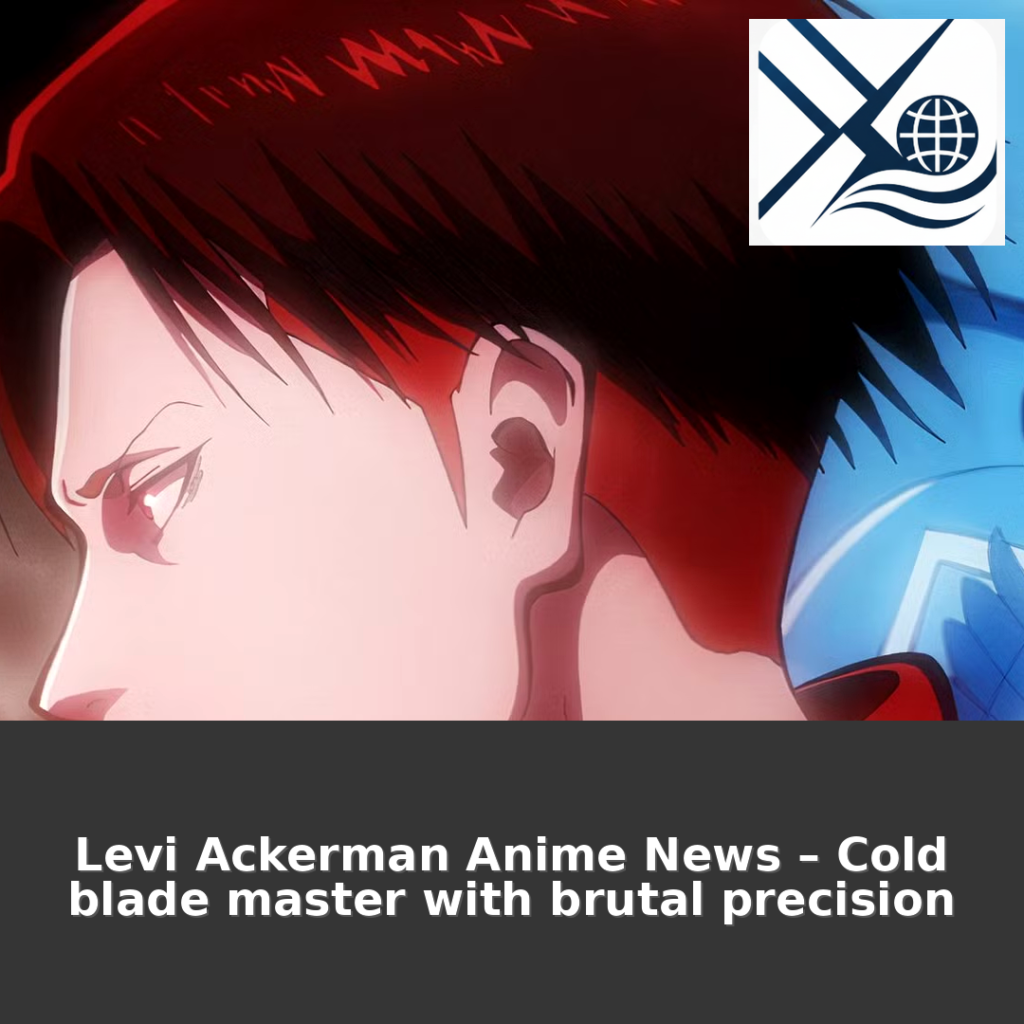
Levi still pulls the conversation toward him even when the spotlight is elsewhere. New viewers meet him as a calm threat, longtime fans treat him like a standard for competence, and critics keep circling the same question: how does a character built on restraint become this magnetic? The answer isn’t just speed or skill. It’s the way the Cold Blade Master feels engineered for pressure—an adult presence in a story that rarely gives anyone room to breathe. In every era of discussion, Levi’s appeal survives the noise because his precision reads like a moral language. Quiet. Exact. Unforgiving.
Quick Character Profile Fans Should Know
The first impression that never fades
He arrives with no need for theatrics. The Cold Blade Master doesn’t announce dominance; he demonstrates it, then returns to silence like nothing happened. That confidence is what makes him feel real. Levi’s economy of movement, clipped speech, and sharp gaze create a profile that’s instantly legible.
Habits that hint at a private code
People joke about cleanliness, but it plays like a coping mechanism, not a gag. Order becomes a shield against chaos. The Cold Blade Master is defined by small decisions—when to speak, when to walk away, when to end a fight early. Those habits build credibility faster than any monologue.
Why fans keep rewatching his scenes
His scenes reward attention because they’re built on restraint. Levi doesn’t “perform” emotion; he contains it until it matters. That makes every crack in the armor feel significant. The Cold Blade Master becomes a measuring stick—other characters talk about resolve, he lives it.
Why is Levi Ackerman so popular?
Levi stays popular because he feels consistent under pressure. Viewers trust his judgment, even when it hurts. His competence isn’t flashy; it’s disciplined. That makes his rare emotional moments land harder, and it keeps fans returning to measure other characters against him.
What makes Levi different from other elite fighters?
Levi’s edge is decision-making, not just speed. He chooses the shortest path to an outcome, even if it’s ugly. He doesn’t chase glory. That practicality makes the Cold Blade Master feel like a professional in a world full of desperate amateurs.
Is Levi’s “clean freak” trait just comedy?
It reads as coping more than comedy. Control over his environment becomes a way to stay functional in constant trauma. The habit also reinforces his personality: he respects standards, hates waste, and refuses to let chaos define him—inside or outside the battlefield.
Does Levi care about people or only results?
He cares, but he shows it through action, not warmth. Levi protects by making hard calls early. He rarely offers comfort because he doesn’t want to lie. When he commits to someone, it’s quietly permanent, even if he never says the words.
Why does Levi feel so “adult” in the story?
Because he doesn’t romanticize survival. He accepts tradeoffs immediately and carries guilt without theatrics. The Cold Blade Master treats duty like a burden you lift every day, not a speech you give once. That maturity gives him weight in every scene.
Backstory That Explains Their True Nature
The underground shaping of discipline
Levi’s past is not decorative tragedy; it’s training. The Cold Blade Master emerges from scarcity, where hesitation costs more than pride. The underground isn’t just “where he came from.” It’s the reason he reads people fast and trusts slowly.
Survival instincts turned into leadership
He learned to take space without being invited. That becomes leadership later, even when he doesn’t want the role. The Cold Blade Master doesn’t lead with inspiration. He leads with clarity: this is what we do, this is what it costs, and this is what we can’t afford.
Trauma that never becomes a brand
Levi doesn’t sell pain for sympathy. He carries it like a private injury. That refusal is part of what makes him compelling. The Cold Blade Master can be harsh because he’s seen what softness turns into when the world refuses to cooperate.
What happened in Levi’s early life?
Levi grew up in brutal conditions where stability was rare. The details matter less than the result: he learned to read danger quickly and to rely on himself. That background built the Cold Blade Master’s precision—less about talent, more about survival refined into discipline.
Did Levi choose this life, or was it forced?
It starts as necessity and becomes responsibility. Levi isn’t chasing a heroic identity. He adapts to what the world demands, then keeps going because others can’t. The Cold Blade Master feels “chosen” only in the sense that he refuses to quit.
Why is Levi so emotionally closed off?
Because openness is costly when loss is routine. Levi protects himself by limiting what he gives away. When he does show feeling, it’s often after the decision is already made. The Cold Blade Master doesn’t hide emotion to seem tough—he hides it to survive.
Was Levi always this skilled?
Skill is implied early, but the story frames it as earned, not magical. He’s built through repetition, pressure, and ruthless efficiency. The Cold Blade Master becomes what he is because he learned that half-measures create casualties, and he refused to accept that.
Does Levi regret his past?
He carries it, but regret isn’t the point. Levi treats the past like weather: it shaped him, it didn’t ask permission, and he can’t undo it. The Cold Blade Master looks forward because he has to. Anything else would collapse him.
Story Role That Drives Major Twists
The stabilizer in a collapsing world
When plots speed up, Levi slows the room down. He forces questions that others avoid. That’s why he becomes an engine for major turns. The Cold Blade Master doesn’t create twists by surprising people; he creates them by refusing self-deception.
The hard call that changes everything
Levi’s most important moments aren’t always fights. They’re decisions under imperfect information. He chooses outcomes that leave scars, and the story doesn’t let anyone forget the price. The Cold Blade Master becomes the narrative’s conscience—cold, but not careless.
Why he’s rarely used casually
He can’t be thrown into scenes as decoration because he changes the temperature. Levi’s presence makes excuses look childish. The Cold Blade Master shifts the tone toward consequence, which is why his appearances often signal that something irreversible is coming.
Does Levi control the plot too much?
He can feel overpowered, but the story balances it with limits: injuries, politics, and moral weight. Levi wins fights yet loses people, time, and peace. The Cold Blade Master isn’t a cheat code; he’s a reminder that victory still leaves wreckage.
Why do Levi’s decisions spark controversy?
Because he chooses damage control over emotional comfort. Fans argue because the choices feel real—no option is clean. Levi often picks the path that saves the most lives, not the one that feels good. The Cold Blade Master makes ethics look like arithmetic.
Is Levi meant to be a hero or an antihero?
He doesn’t fit neatly. He acts with duty, but he’s willing to be disliked for results. That creates an antihero vibe, yet his motives stay grounded. The Cold Blade Master is heroic in action and antiheroic in attitude—by design.
What twist is Levi most tied to?
It’s less one twist and more a pattern: when Levi acts, consequences lock in. His choices frequently close doors. That’s why his scenes feel heavy. The Cold Blade Master marks turning points because he refuses to pretend time is unlimited.
Does Levi ever lose narrative importance?
His centrality shifts, but his relevance doesn’t. Even when he’s offscreen, characters talk as if his standards still exist in the room. The Cold Blade Master becomes a benchmark, and benchmarks don’t need constant presence to shape behavior.
Powers, Skills, and Combat Intelligence Breakdown
Technique over spectacle
Levi’s fighting style is clean, compact, and punishing. He doesn’t waste motion, and that’s why it reads as credible. The Cold Blade Master looks fast because he’s efficient, not because the story needs fireworks. Efficiency is his signature.
Mental speed that wins before the strike
He reacts, but he also predicts. Levi’s combat intelligence shows in positioning, timing, and when he refuses a bad engagement. The Cold Blade Master is defined by restraint: he doesn’t chase a kill if the field says “no.”
Limits that make him believable
His body pays for what he does. Injuries matter, fatigue matters, and consequences accumulate. That’s crucial. The Cold Blade Master stays compelling because the story acknowledges that precision has a cost, and the bill eventually arrives.
Is Levi the strongest fighter?
He’s presented among the most dangerous, but “strongest” depends on context—terrain, injuries, and mission goals. Levi’s advantage is conversion: he turns a small opening into a decisive result. The Cold Blade Master wins because he wastes nothing.
What’s Levi’s real weapon: blades or mindset?
Mindset. The blades are tools. His real edge is judgment under stress and the willingness to act without hesitation. The Cold Blade Master reads risk quickly and commits fully. That commitment is what makes his technique look superhuman.
Does Levi rely on special powers?
Not in the typical sense. His effectiveness comes from training, experience, and extreme efficiency. That’s why he feels different from fantasy “chosen ones.” The Cold Blade Master earns authority through method, not destiny. The story keeps him grounded.
Why does Levi’s fighting look so clean?
Because it’s designed around minimizing exposure. He keeps angles tight, controls momentum, and avoids unnecessary clashes. Levi treats combat like a problem to solve, not a performance. The Cold Blade Master makes violence look surgical, which is unsettling on purpose.
Can Levi be beaten?
Yes—through injury, exhaustion, poor conditions, or overwhelming force. He’s not invincible; he’s disciplined. When he loses ground, it often reflects limits the story respects. The Cold Blade Master is terrifying, but he’s still human, and the narrative leans on that.
Iconic Moments That Defined Their Reputation
The first time the myth feels earned
There’s a point where viewers stop wondering if Levi is hype. The execution is too clean, too calm, too final. The Cold Blade Master becomes a reputation you can see, not just hear about. That shift is where fandom crystallizes.
The moment restraint becomes tragedy
Some of Levi’s most iconic scenes are quiet. A pause. A look. A decision that can’t be taken back. The Cold Blade Master doesn’t just create adrenaline; he creates a knot in the stomach. That’s why the moments stick.
Why the fandom edits never stop
Levi’s scenes are built for rewatching—sharp choreography, sharp framing, sharp intent. But the best edits lean on his stillness, not just action. The Cold Blade Master feels iconic because he’s composed in a story that makes composition rare.
What is Levi’s most iconic trait on screen?
It’s composure. Even at peak violence, he looks controlled, like he’s counting seconds. That steadiness becomes his signature. The Cold Blade Master feels iconic because he never seems surprised by the world’s cruelty—only annoyed by inefficiency.
Why do Levi’s quiet scenes hit so hard?
Because they suggest a larger internal life without explaining it. The story trusts the audience to read subtext. Levi’s silence becomes emotional evidence. The Cold Blade Master isn’t sentimental, so when he slows down, it feels like the ground shifting.
Do Levi’s iconic moments overshadow other characters?
Sometimes, yes. He’s so high-signal that he can dominate attention. But that can also elevate scenes by raising stakes. The Cold Blade Master forces others to show what they’re made of, because mediocrity looks louder when he’s present.
Are Levi’s best moments only action scenes?
No. His defining moments often involve judgment, grief, or restraint. Action makes him famous, but decisions make him enduring. The Cold Blade Master becomes legendary because he survives emotionally complicated outcomes without turning them into speeches.
Why is Levi so quotable even without long speeches?
Because he speaks with compression. Short lines carry weight when the character has credibility. Levi’s words land like verdicts. The Cold Blade Master doesn’t decorate language. He uses it to cut through fog, and that bluntness sticks in memory.
Relationships and Rivalries That Shape Decisions
Loyalty expressed through standards
Levi rarely offers reassurance. Instead, he raises the bar and expects people to reach it. That can read as cruelty until you notice the pattern: he invests in people by taking them seriously. The Cold Blade Master shows care by refusing to patronize.
Rivalries that aren’t about ego
His conflicts aren’t primarily personal. They’re about methods, priorities, and the cost of delay. Levi clashes with anyone who treats survival like a debate club. The Cold Blade Master doesn’t argue for fun. He argues because time kills.
Trust that looks like silence
When Levi trusts someone, he doesn’t announce it. He acts as if that person belongs beside him in danger. That’s the highest compliment he gives. The Cold Blade Master builds relationships through shared risk, not affectionate gestures.
Who matters most to Levi?
It shifts across the story, but Levi’s strongest attachments often revolve around people he respects for endurance and duty. He bonds through shared burden. The Cold Blade Master doesn’t collect friends; he collects responsibilities, and some responsibilities become deeply personal.
Does Levi have close friendships?
Yes, but they’re understated. Levi’s friendship looks like reliability under stress, not casual warmth. He shows up, he protects, he remembers. The Cold Blade Master communicates loyalty through actions and standards, which can be misread as distance.
Why does Levi seem harsh with allies?
Because he hates false comfort. Levi believes honesty keeps people alive. That bluntness can sting, but it also prevents illusions. The Cold Blade Master treats allies like professionals in a crisis. He’d rather be disliked than watch someone die unprepared.
Does Levi ever forgive enemies?
Forgiveness isn’t a theme he indulges. He may recognize motives, but he prioritizes outcomes. Levi’s focus stays on stopping harm, not redeeming it. The Cold Blade Master can understand tragedy without letting it excuse damage.
What drives Levi’s strongest conflicts?
Competing visions of responsibility. Levi acts like the future must be purchased with hard choices now. When others hesitate or chase ideals without a plan, conflict becomes inevitable. The Cold Blade Master fights indecision as fiercely as any external threat.
Strengths, Flaws, and Emotional Complexity Explained
The strength: clarity without illusion
Levi cuts through confusion fast. He sees what’s in front of him, not what he wishes were true. That clarity is why people follow him. The Cold Blade Master doesn’t promise hope. He promises competence, which is rarer.
The flaw: carrying everything alone
He absorbs pressure and rarely distributes it. That makes him stable, but it also isolates him. Levi can seem untouchable because he keeps his inner life sealed. The Cold Blade Master is strong in a way that can quietly become self-destructive.
The complexity: tenderness in the margins
He has tenderness, but it arrives indirectly—through protection, memory, restraint, and grief. Levi’s emotions don’t bloom; they surface like bruises. The Cold Blade Master becomes deeply human because the story lets him hurt without turning him into a lecture.
Is Levi emotionally numb?
No. He’s emotionally controlled. There’s a difference. Levi feels plenty, but he filters expression because the environment punishes vulnerability. The Cold Blade Master reads as numb only because he refuses to perform grief for the room.
What’s Levi’s biggest weakness?
Isolation. He often chooses to carry pain privately, which limits healing and connection. Physical injury also matters, but the deeper weakness is emotional mileage. The Cold Blade Master survives by compartmentalizing, and compartmentalizing has a shelf life.
Does Levi ever show fear?
Rarely, and that rarity makes it powerful. His fear usually looks like calculation—changing plans, tightening decisions, watching the field. The Cold Blade Master doesn’t panic; he adapts. That’s fear translated into strategy.
Why do fans relate to Levi?
Because he represents competence under impossible stress, and many people live under smaller versions of that pressure. Levi’s coping mechanisms feel recognizable. The Cold Blade Master doesn’t preach resilience; he shows what resilience costs.
Is Levi a “good person”?
He’s ethically complicated. His actions often aim to reduce harm, but he’s willing to do ugly things to get there. The story doesn’t sanitize him. The Cold Blade Master is “good” in intention, harsh in method, and honest about the damage.
Legacy, Impact, and Ongoing Fan Searches
A character who became a standard
Levi changed what audiences expect from “cool” characters. He isn’t cool because he smiles at danger. He’s cool because he treats danger like a problem to solve. The Cold Blade Master sets a standard: style is secondary to precision.
Influence beyond the original story
His image travels—memes, edits, debates, comparisons to other stoic fighters. Yet the core appeal stays intact: discipline, competence, restraint. The Cold Blade Master is a cultural shorthand for lethal focus without theatrics.
Why interest stays alive
Some characters fade when the plot moves on. Levi doesn’t, because he’s built on principles rather than novelty. People revisit him to talk about responsibility, leadership, trauma, and the cost of survival. The Cold Blade Master remains relevant because those themes don’t expire.
Will Levi remain iconic long-term?
Yes, because his appeal isn’t trend-based. He represents discipline under collapse, and that resonates across eras. The Cold Blade Master also benefits from strong visual language—clean motion, clean framing, quiet authority—elements that translate across platforms and audiences.
Why do people compare Levi to other characters so often?
Because he functions like a benchmark. Viewers use Levi to test writing choices, power levels, and leadership styles. The Cold Blade Master becomes the “control sample” in fandom debates: if this new character is elite, how do they hold up next to him?
Does Levi’s popularity distort how the story is viewed?
It can. Some fans treat his competence as the whole point, which risks flattening the story’s complexity. But his popularity also brings new viewers in. The Cold Blade Master amplifies attention, and attention keeps a franchise alive.
What themes does Levi represent most strongly?
Responsibility, restraint, and the cost of clarity. Levi embodies the idea that survival isn’t romantic, and leadership isn’t comfortable. The Cold Blade Master stands for competence with consequences—victory that still leaves scars.
Why do new fans attach to Levi quickly?
Because he’s instantly readable. His demeanor signals competence, his actions confirm it, and his silence invites projection. The Cold Blade Master feels like someone you can trust in a crisis, even if you wouldn’t want his job—or his burden.
Conclusion
Levi endures because the character is built like a pressure system: tight, controlled, and always one mistake away from rupture. That tension is the point. The Cold Blade Master doesn’t exist to make violence look glamorous; he exists to make it feel final. In a world where speeches are cheap and survival is not, Levi’s restraint reads as honesty. Fans keep returning to him for the same reason his allies do—clarity, delivered without comfort. And as long as stories keep asking what leadership costs, he won’t leave the conversation.