
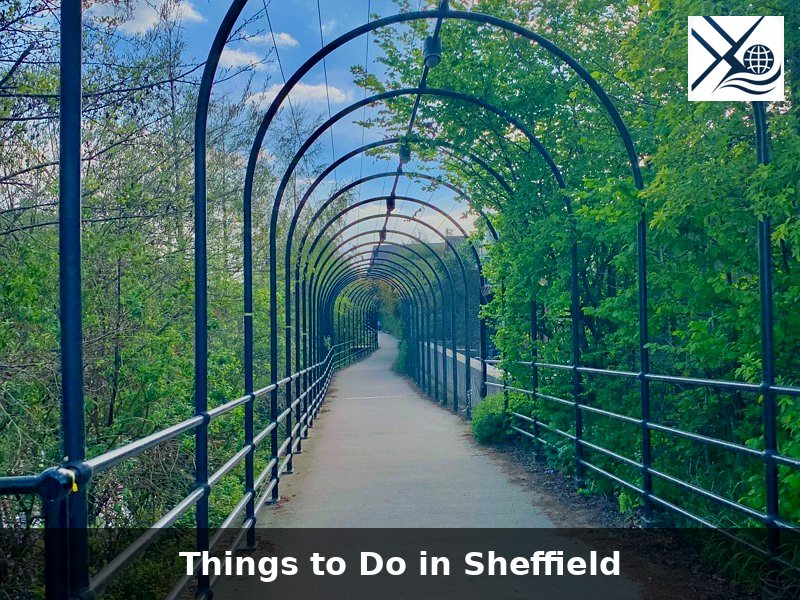
Step outside and the centre keeps that softer mood going. The Peace Gardens, nearby galleries, open squares, and easy walkability make this part of Sheffield feel unusually human. You are not battling the city. You are moving through it at a pace that actually suits a day out.
That matters more than people admit. Some cities make sightseeing feel like admin. Sheffield does the opposite. It invites wandering, and that is a skill.
Give yourself time to sit, look around, and resist the urge to tick boxes too quickly. The best version of central Sheffield is not frantic. It is loose, calm, and just interesting enough to keep pulling you onward.
Dig Into Kelham Island and the City’s Hard-Working Past
Every city with an industrial story claims grit. Sheffield has the receipts. Kelham Island is where that history stops being a paragraph and starts feeling physical. The museum covers roughly 300 years of Sheffield’s making history, from skilled craftspeople to mass production, and it does a good job of showing how industry shaped daily life rather than treating machinery like sacred relics.
What makes the area work, though, is not nostalgia. Old industrial districts can easily turn into costume drama for weekend visitors. Kelham Island avoids that trap because the past still rubs against the present. You get workshops, repurposed buildings, independent food spots, and that unmistakable sense that Sheffield was built by people who made real things with their hands.
There is something honest about it. The city never pretends its heritage was glamorous. It was noisy, demanding, and tough. That honesty gives the district its weight.
Spend a few hours here and the rest of Sheffield starts to make more sense. The pride, the no-nonsense humor, the preference for substance over showiness. It all feels connected. If you only visit one place that explains the city’s character rather than just entertaining you, make it this one.
Follow the Green Spine Through Parks, Gardens, and Open Space
Sheffield’s green reputation is not marketing fluff. It feels built into the city’s bones. One of the smartest ways to explore is to follow that green spine through places that shift the mood without breaking it. The Botanical Gardens are a fine example, especially when you want somewhere elegant without feeling stiff. They are the kind of place where families, students, and older locals all seem to fit naturally, which usually tells you more than any guidebook ever will. The gardens are also known for hosting events and seasonal activities, so they are not frozen in time.
Then there are parks that feel more lived in than landscaped for effect. Endcliffe Park is a favorite for good reason. It has energy, movement, and enough room for people to spread out without stepping on each other’s day. That sounds basic. It is not. Plenty of city parks fail that test.
The surprise with Sheffield is how quickly green space stops feeling like an add-on and starts feeling like the main experience. You do not visit a park to recover from the city. The parks are part of the city’s identity.
That is why a Sheffield day rarely feels cramped. Even when you stay within city limits, you keep finding pockets of air, trees, and long views. For a Uk Travel trip that does not leave you needing a holiday from your holiday, that is a serious advantage.
Use One Day for Scenic Walking Because Sheffield Rewards Effort
Some places promise walking and really mean a flat stroll past cafes. Sheffield can do that, sure, but it also gives you something far better. The city sits right on the edge of serious countryside, and one-third of Sheffield lies within the Peak District National Park. That is a ridiculous advantage for anyone who likes a day with proper legs on it.
A strong choice inside the city itself is the Sheffield Round Walk. Done in full, it is around 15 miles and usually takes six to seven hours, starting from Endcliffe Park and threading through woodland, paths, roads, and greener edges of the city. It is not a lazy wander, especially when the ground turns muddy, but that is part of the appeal. You earn the views a bit.
Beyond that, the Peak District opens the door wider. The national park highlights guided walks, huge stretches of open access land, and thousands of kilometres of rights of way for walkers who want anything from a gentle route to a tougher day out.
Here is the counterintuitive truth: walking is not the break from Sheffield. It is one of the clearest ways to understand it. This city makes more sense when you climb a little, get some wind in your face, and see how urban streets give way to open land without a dramatic border crossing.
Eat Well, Stay Curious, and Let the City’s Personality Show Itself
A lot of travel guides get weirdly bossy near the end. They start ranking, scoring, and flattening a city into “must-see” commands. Sheffield is better when you leave room for instinct. Yes, you should hit the landmarks. Yes, the heritage matters. But the city’s real charm often shows up in the space between planned stops: a canal-side detour, a good lunch in Kelham, an afternoon coffee that turns into people-watching, a pub that feels like it has been waiting for you all day.
That flexibility suits Sheffield because the city has personality without performance. It does not need to entertain you every second. It trusts you to notice details. That makes your choices matter more.
This is also the right stage of the day to slow down and stop hunting for perfection. Not every corner needs to be postcard-worthy. Some of the best memories come from places that simply feel right in the moment.
When people ask about Things to Do in Sheffield, they often expect one killer attraction to define the city. That is the wrong question. Sheffield wins as a full-day mood, not a single headline act. Go curious, keep your schedule loose, and the city will meet you halfway.
Conclusion
Sheffield proves that a city does not need to shout to stay with you. Its strength lies in the mix: open green space, working-class history, relaxed culture, and walking routes that pull you from streets to hills with almost no fuss. That blend gives the place staying power. You are not just filling hours here. You are moving through a city that still feels connected to how people actually live.
The smartest way to approach Things to Do in Sheffield is to stop chasing a perfect checklist. Build a day with contrast instead. Start central, go deep on heritage, give green space the time it deserves, and leave room for one proper walk. That combination shows you more than any rushed weekend circuit ever will.
And here is the bigger point: Sheffield feels like the sort of city more people will start choosing as travel habits shift away from overpriced, over-curated breaks. Good. It has earned that attention.
Plan the day, lace up decent shoes, and book the trip. Then go see whether Sheffield surprises you as much as it should.
What are the best things to do in Sheffield for first-time visitors?
Start with the Winter Garden, Peace Gardens, and Kelham Island, then add the Botanical Gardens and a relaxed walk through Endcliffe Park. That mix gives you greenery, heritage, and local character without cramming too much into one day or losing momentum.
Is Sheffield worth visiting for a weekend trip?
Sheffield is absolutely worth a weekend if you like cities with personality, decent food, and easy access to nature. You can cover museums, green spaces, and local neighborhoods without feeling rushed, which makes the trip feel satisfying rather than strangely incomplete.
What is Sheffield most famous for?
Sheffield is best known for its steelmaking history, green spaces, and close link to the Peak District. Those three elements still shape the city today, so your visit feels rooted in something real instead of built around surface-level tourist appeal.
Can you explore Sheffield on foot?
You can explore a lot of Sheffield on foot, especially the city centre, Kelham Island, and several park areas. The hills may test your legs, but they also give the city shape, character, and far better views than flatter places offer.
What are the best free things to do in Sheffield?
The best free options include the Winter Garden, Peace Gardens, many parks, parts of the city centre, and easy scenic walks. Sheffield is generous in that way. You do not need a huge budget to have a full, interesting, and memorable day.
Is Sheffield good for nature lovers?
Sheffield suits nature lovers brilliantly because greenery is part of daily city life, not a side attraction. Parks, gardens, wooded valleys, and quick access to the Peak District mean you can switch from streets to open landscapes without wasting half the day.
What area of Sheffield is best for culture and food?
Kelham Island stands out for culture and food because it blends industrial history with a lively modern scene. You get museums, characterful buildings, independent places to eat, and a sense that the district grew naturally instead of being polished for visitors.
How many days do you need in Sheffield?
Two days is a smart minimum for Sheffield. One day lets you cover central attractions and one district, but a second day gives you space for parks, food, and a proper walk. Anything less can feel like you only skimmed the surface.
Is Sheffield a good base for Peak District walks?
Sheffield is one of the best city bases for Peak District walks because the countryside feels genuinely close, not technically nearby. You can sleep in the city, eat well, then spend the next day on trails without turning the outing into a logistical headache.
Are Sheffield Botanical Gardens worth visiting?
The Botanical Gardens are worth visiting because they offer calm, beauty, and a slower pace without feeling sleepy. They work especially well when you want a break from museums or shopping, and they give Sheffield’s greener side a polished but welcoming face.
What should families do in Sheffield?
Families should mix open space with one or two easy attractions, such as the Winter Garden, parks, and a museum stop. Sheffield works well for mixed ages because children get room to move while adults still feel they are seeing something worthwhile.
When is the best time to visit Sheffield?
Late spring to early autumn is the sweet spot for Sheffield because parks, gardens, and walking routes feel at their best then. That said, the city still works in cooler months, especially if you lean into museums, food, and shorter outdoor strolls.