
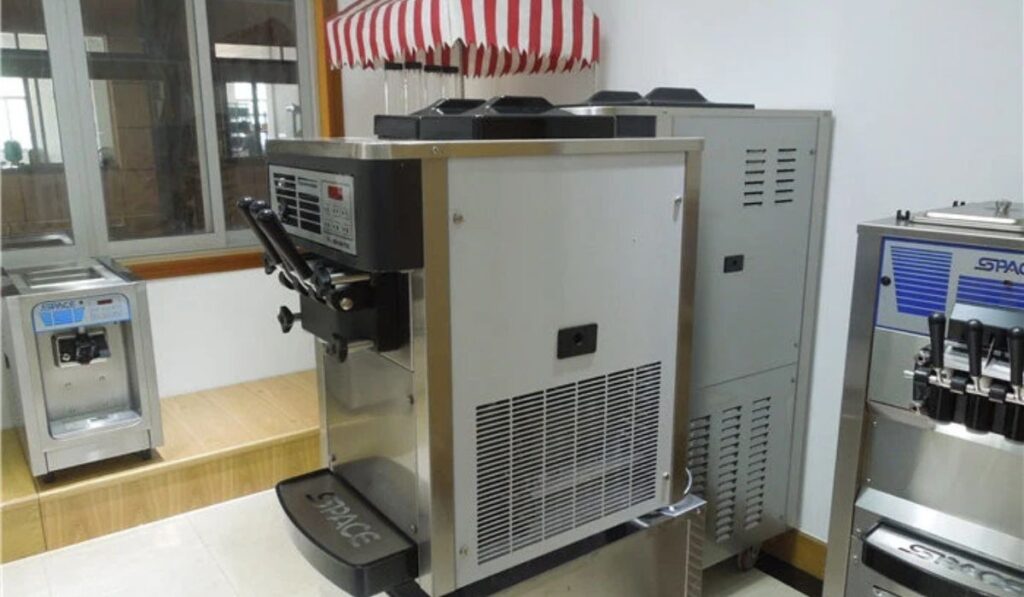
Among the most crucial things to keep commercial ice cream machines alive and running is consistent cleaning. These gadgets run continually in contact with sugars, dairy products, and fluctuating temperatures, conditions that would quickly result in mechanical wear, accumulation, and pollution if not properly serviced. Specifically designed tools like the 013074 Taylor polypropylene bristle brush guarantee thorough cleaning and safe components by reaching delicate interior components without harming them. Companies may extend the life of equipment, preserve product quality, and cut costly repairs by setting a regular cleaning schedule.
Steering Clear of Milk and Sugary Accumulation
Ice cream machines work on milk, cream, sugar, and flavour combinations. After every usage, these substances naturally leave residue. The residue solidifies and builds up on interior surfaces like freezing cylinders, dispenser nozzles, and mix hoppers if not regularly cleaned. This buildup causes the machine to work harder than required and limits its free functioning. Hardened deposits can eventually impair revolving parts, raising motor friction and strain. Regular cleaning helps the machine operate efficiently by removing these deposits before they harden and keeping parts clear. Regular product debris removal avoids premature wear and lowers unneeded stress on mechanical systems.
Safeguarding Gaskets and Seals from Harm
Though small, seals and gaskets are necessary parts of any ice cream maker. They keep pressure, stop leaks, and guarantee correct interior unit freezing temperatures. Leftover mix and bacteria, however, might gather near these rubber components and speed deterioration. Permitting residue to sit can cause seals to lose elasticity, crack, or dry out. Leaks resulting from this not only waste goods but also pose further cleaning difficulties. Regular cleaning keeps these elements’ flexibility and integrity intact. Businesses lower the chance of breakdowns and avoid constantly replacing small but critical parts by keeping them clean.
Lowering Wear on Moving Parts
Included in ice cream machines are a few moving components: beaters, blades, and drive shafts. These components depend on steady movement to thoroughly mix and freeze the substance. Dried mix and dirt cause resistance inside the system if cleaning is overlooked. Motors and gears are forced to run under more stress due to more resistance. Overheating, odd sounds, and mechanical failure are all potential results of this additional burden. Regular cleaning guarantees that moving parts remain free and properly oiled. The machine therefore operates smoothly, lowering maintenance expenses and minimising long-run wear. Maintaining mechanical components clean also enhances texture consistency and production flow.
Stopping Material Degradation and Corrosion
Even if built with strong food-grade plastics and stainless steel, ice cream makers are still prone to corrosion if not well cared for. Dairy residues can generate acidic conditions that gradually corrode metal surfaces. Furthermore, speeding decay is moisture trapped inside uncleaned components. Periodic cleaning clears acidic chemicals and helps to avoid extended wet exposure. This little habit helps to greatly lower the chances of rusting and surface damage. Maintaining clean internal surfaces helps the machine keep its structural strength and hygienic standards. Regular maintenance helps preserve the original state of important components over time and increases the general lifetime of the equipment.
Retaining Food Safety and Hygiene Rules
Every food service business’s priority should be cleanliness. Ice cream machines develop yeast, mould, and bacterial problems when operators fail to conduct complete cleaning procedures. The health risks from contamination reach beyond its effects on texture and taste. The process of cleaning equipment at regular intervals results in the destruction of dangerous germs before they have a chance to multiply. The system prevents cross-contamination between different flavour batches. Companies may satisfy food safety regulations and protect their brand by means of strict cleaning habits. Besides consumer protection, clean machines reduce the likelihood of forced closures brought on by health violations.
Conclusion:
Furthermore, a sizable investment in their performance and life span calls for the continuous upkeep and cleaning of ice cream machines. Regular cleaning preserves sanitary conditions, protects seals, reduces mechanical stress, keeps all critical components functioning, prevents buildup, and Businesses gain from increased efficiency, reduced failures, and longer equipment life when regular maintenance is followed. Good cleaning techniques preserve the quality of the ice cream produced by the equipment as well as the equipment itself, hence guaranteeing uniform performance and long-lasting effects.