
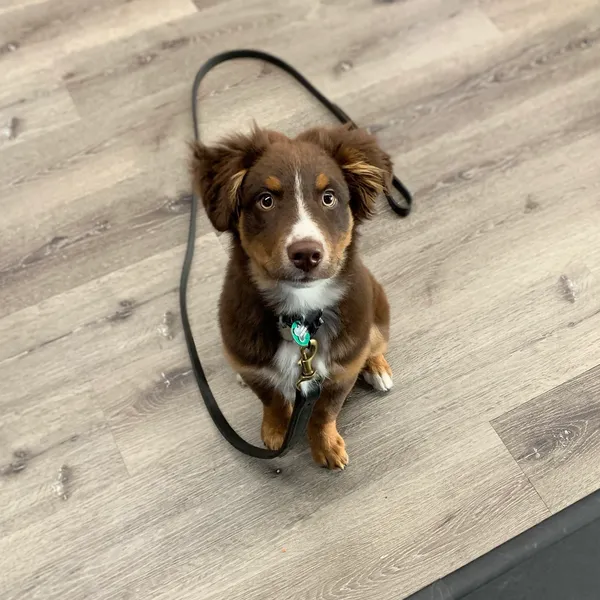
Bringing home a new puppy is exciting, but it also comes with challenges that many dog owners do not fully expect. From chewing furniture and jumping on guests to leash pulling and inconsistent listening, puppies are constantly learning from the world around them. That is why practical obedience lessons for puppies are so important during the early stages of development.
Early obedience training is not only about teaching commands. It is about creating communication, structure, and trust between dogs and their families. Puppies thrive when expectations are clear and routines are consistent. With the right approach, obedience lessons can help shape calm behavior, improve focus, and prepare puppies for everyday situations.
At Rob’s Dog Training, the focus is on helping dogs learn practical skills that owners can apply in real-life environments. Puppies benefit most from training that goes beyond simple commands and supports long-term behavioral success at home and in public settings.
Why Early Obedience Training Matters
Puppies experience critical learning periods during the first several months of life. During this time, they absorb information quickly and begin forming habits that may continue into adulthood. Introducing structured obedience lessons early can help prevent unwanted behaviors before they become deeply ingrained.
Practical obedience lessons for puppies can help with:
- Building focus around distractions
- Encouraging calm social interactions
- Improving leash behavior
- Supporting house manners
- Reducing frustration and overstimulation
- Developing confidence in new environments
Many owners wait until behavioral problems appear before seeking training support. However, proactive obedience work often creates smoother long-term results because puppies learn expectations from the beginning.
The Difference Between Practical and Basic Obedience
Basic obedience often focuses only on teaching commands like sit, stay, or down inside controlled environments. While these skills are useful, practical obedience training goes further by teaching puppies how to respond in everyday situations.
For example, a puppy may understand “sit” inside the house but struggle to listen near distractions like other dogs, visitors, or busy sidewalks. Practical training introduces real-world challenges gradually so puppies learn how to remain engaged and responsive outside the home.
This type of training focuses on:
- Reliable responses in different environments
- Calm behavior around distractions
- Everyday household manners
- Improved impulse control
- Positive communication between dog and owner
The goal is not perfection. The goal is consistency, confidence, and reliable behavior in daily life.
Key Skills Puppies Should Learn Early
Every puppy develops at a different pace, but certain foundational skills are valuable for nearly all dogs. These lessons create the building blocks for future learning and help owners manage common puppy behaviors more effectively.
Name Recognition and Focus
One of the first lessons puppies should learn is responding to their name. Attention exercises help puppies understand that focusing on their owner leads to guidance, rewards, and positive experiences.
Strong engagement becomes especially important in distracting environments where puppies may become overstimulated or lose focus easily.
Leash Walking Foundations
Loose leash walking is one of the most requested training goals among puppy owners. Pulling on the leash can quickly become frustrating and physically difficult as dogs grow larger.
Practical obedience lessons for puppies often introduce leash manners gradually by teaching:
- Calm walking beside the owner
- Attention during movement
- Appropriate pacing
- Reduced pulling behavior
- Better responses to environmental distractions
Consistent leash work can help walks become more enjoyable for both the dog and the owner.
Recall Training
Reliable recall can improve safety and communication in many situations. Puppies benefit from learning that returning to their owner is rewarding and positive.
Effective recall practice often begins in low-distraction environments before progressing into more challenging locations over time.
Calm Greeting Behavior
Jumping on guests may appear harmless during puppyhood, but it can become problematic as dogs mature. Teaching calm greeting behavior early helps puppies learn appropriate ways to interact with people.
This often includes:
- Waiting calmly before receiving attention
- Maintaining focus during greetings
- Reducing excitement around visitors
- Learning patience in stimulating situations
Place and Settle Work
Many puppies struggle to relax when activity is happening around them. Practical obedience training frequently includes “place” or “settle” exercises that encourage calmness indoors.
These exercises can help puppies learn how to:
- Relax during family meals
- Stay calm when guests arrive
- Settle during downtime
- Reduce excessive pacing or excitement
Learning how to relax is just as important as learning active commands.
Socialization and Obedience Work Together
Socialization is a major part of puppy development, but proper socialization involves more than simply exposing puppies to new experiences. Positive exposure should happen in a controlled and manageable way.
Practical obedience lessons for puppies often complement socialization by helping dogs remain calm and responsive during new experiences. Puppies who learn to focus during stimulation may develop greater confidence over time.
Healthy socialization can include exposure to:
- Different surfaces and environments
- Various sounds and distractions
- New people and animals
- Public settings
- Car rides and handling exercises
The objective is not overwhelming the puppy with constant stimulation. Instead, balanced exposure paired with structure can help puppies adapt more comfortably to the world around them.
Common Puppy Challenges Owners Face
Most puppy owners experience similar frustrations during the early stages of training. Understanding these challenges can help owners remain patient and consistent throughout the learning process.
Biting and Nipping
Puppies naturally explore with their mouths, especially during teething phases. Redirecting biting behavior consistently and teaching appropriate play boundaries can help reduce excessive nipping over time.
Short Attention Spans
Young puppies often struggle to focus for long periods. Short, engaging training sessions usually produce better results than lengthy or repetitive drills.
Overexcitement
Excitement can make it difficult for puppies to listen or remain calm. Structured obedience exercises help puppies learn how to regulate energy levels and respond more thoughtfully.
Inconsistent Behavior
It is common for puppies to perform well one day and struggle the next. Learning is rarely linear, especially during developmental stages. Consistency and repetition remain essential for long-term progress.
Building Consistency at Home
Training sessions alone are not enough to create lasting behavior change. Puppies learn continuously through daily interactions, routines, and reinforcement inside the home.
Owners can support practical obedience lessons for puppies by creating consistency in everyday situations.
Helpful strategies include:
- Using consistent commands and expectations
- Rewarding calm behavior regularly
- Practicing short training sessions daily
- Avoiding unintentional reinforcement of unwanted behavior
- Maintaining routines for feeding, walks, and rest
Consistency helps puppies understand what behaviors are expected and which actions lead to positive outcomes.
Positive Reinforcement and Clear Communication
Modern puppy training often emphasizes reward-based learning because it encourages engagement and trust while helping puppies feel motivated during lessons.
Positive reinforcement may include:
- Food rewards
- Praise
- Toys
- Play opportunities
- Access to desired activities
Timing and consistency matter significantly during training. Puppies learn more effectively when rewards clearly connect to the behavior being encouraged.
Clear communication also reduces confusion. Puppies respond best when expectations remain predictable and guidance is calm and structured.
The Role of Confidence in Puppy Development
Confidence plays a major role in behavioral growth. Puppies who feel secure and supported often adapt more successfully to unfamiliar situations.
Practical obedience lessons for puppies can help build confidence by introducing manageable challenges while reinforcing successful behaviors.
Confident puppies may become:
- More adaptable in public settings
- Easier to guide during distractions
- More comfortable around unfamiliar people or environments
- Better able to recover from stressful experiences
Confidence building does not mean forcing puppies into overwhelming situations. It involves gradual exposure, encouragement, and structured learning experiences.
Why Real-World Training Matters
Dogs do not automatically generalize behavior from one environment to another. A puppy who performs perfectly in the living room may struggle in a busy park or around visitors.
Practical obedience training focuses on helping puppies apply learned skills in realistic environments where distractions naturally occur.
This may involve training around:
- Sidewalk activity
- Public parks
- Other dogs
- Household visitors
- Outdoor noises
- Daily routines
Gradual exposure to real-world situations can improve reliability and responsiveness over time.
Long-Term Benefits of Puppy Obedience Training
The lessons puppies learn early often influence their behavior for years to come. Strong foundations can improve communication, reduce stress, and create a more enjoyable relationship between dogs and their owners.
Long-term benefits may include:
- Improved household manners
- Better leash behavior
- Reduced behavioral frustration
- Stronger owner-dog communication
- Greater adaptability in public settings
- Increased confidence and focus
Training also supports mental stimulation, which is important for healthy development and balanced behavior.
Choosing the Right Training Approach
Every puppy is different, which means training should consider temperament, energy level, learning style, and household goals. Flexible training methods often create more sustainable progress because they adapt to the needs of the individual dog.
When evaluating training options, owners may benefit from looking for programs that emphasize:
- Real-world application
- Consistency
- Clear communication
- Structured routines
- Positive learning experiences
- Long-term behavioral development
Training is most effective when owners remain actively involved throughout the process.
Creating a Strong Foundation for the Future
Puppyhood is a critical time for shaping lifelong habits and communication patterns. Early guidance can help prevent many common behavioral issues while supporting confidence, focus, and adaptability.
Practical obedience lessons for puppies provide more than simple commands. They create opportunities for dogs and owners to build trust, strengthen communication, and prepare for real-world situations together.
At Rob’s Dog Training, structured obedience programs are designed to support long-term behavioral development through realistic, experience-based training methods. With consistent reinforcement and achievable training goals, puppies can grow into responsive companions that handle everyday life with greater confidence and stability.