
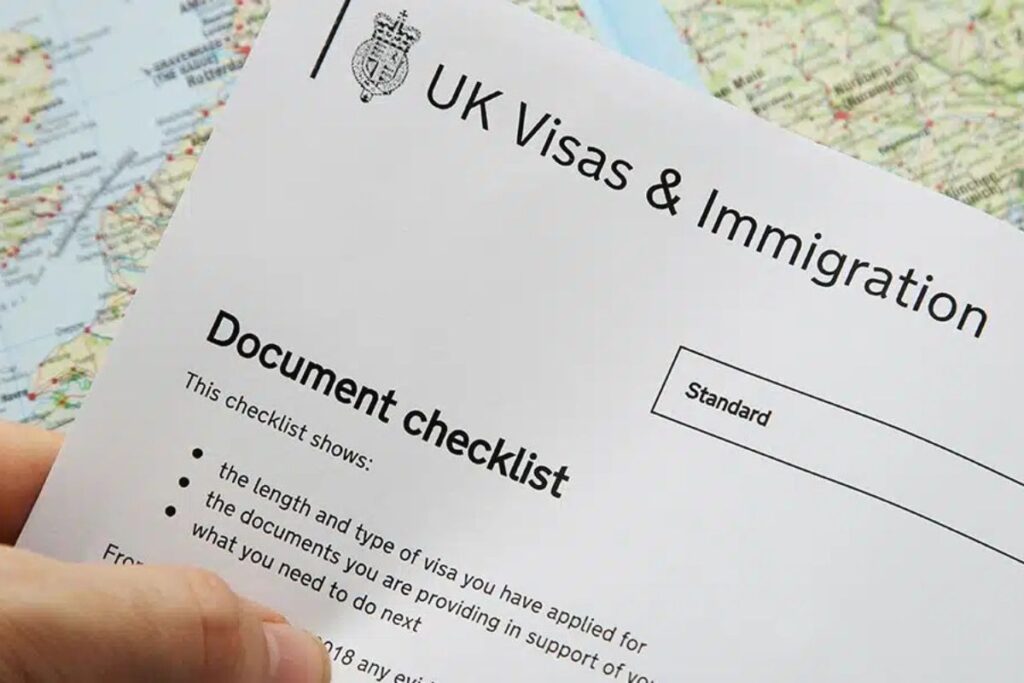
It could be especially discouraging to receive an application denial, particularly if a trip, study, employment, or family obligations hinge on it. However, just because one receives a refusal does not necessarily mean that it has to be the end of the process altogether. There are many times when one can challenge the refusal and receive another outcome. People must know what to do and do it at the appropriate time. Many candidates start by looking at an appeal for UK visa refusal to find the best way to deal with the decision.
Know the Causes of Refusal
Step one when appealing against a decision concerning a visa application is analysing the letter of refusal. The letter contains explanations regarding why the application was rejected and the specific immigration requirements that the individual did not fulfil. The applicant needs to analyse all aspects of the original application and relate the explanations provided to the information provided. This is because understanding why the visa application was refused is very crucial in determining how one should challenge the decision.
Find Out Whether You Have an Appealable Right
All denials of visas do not have a provision for appeal. For some categories of immigration, only a new application or administrative review is available, while for other categories of immigration, it provides for the candidate to appeal against the denial of the visa through the appeal process. The denial of the visa will normally specify whether you can file an appeal against it or not. When one has the right to appeal against their visa denial, the candidate must strictly adhere to the deadlines and instructions provided.
Compile Justification Data
Strong supporting evidence can be very helpful when contesting a visa refusal. Applicants should gather materials to rebut the problems noted in the refusal letter once the causes of rejection become apparent. These documents could be employment letters, financial records, proof of relationships, educational certificates, travel records, or other pertinent information. The goal is to show that the initial worries were either based on partial knowledge or are now totally explained, and make the evidence clear to avoid any ambiguity.
Think of an Administrative Review
The applicants may have the eligibility of requesting for an administrative review depending on certain situations. The general rule is that one is eligible where he/she believes there was a mistake in the process of reviewing his/her visa application. An administrative review does not involve submitting a new application. It entails the immigration department’s requirement to reassess the decision to determine whether there were any errors in interpreting immigration policies or in assessing the facts.
Consult an Expert On Immigration
The immigration policy can be complex. An application denial often requires a comprehensive understanding of all the procedures involved. Hiring the services of an immigration counsellor or lawyer will enable the candidates to come up with a suitable strategy. The counsellors could analyse the denial notice, identify any weaknesses in the ruling, develop additional documents, and, if need be, represent the candidates in their appeal process. They will also determine whether it would be better for the candidate to apply again rather than undertake the appeals process.
Send the Challenge Inside the Given Time Period
One of the most essential parts of a visa rejection battle is timing. There are strict time frames within which an appeal, review, or another form of dispute should take place. Any delays in filing the application result in missed opportunities to challenge the decision. It is recommended to complete the documentation and submit all required documents and forms as early as possible. Furthermore, it would be helpful to keep all kinds of documentation and receipts of confirmation because they might come in handy if needed in the future.
Conclusion:
Denial of the visa is disappointing to the traveller because it means the travel comes to an end. However, the traveller can turn around the situation through his knowledge of the grounds for denying him/her the visa, understanding the legal mechanisms required, presenting good evidence, and meeting all the deadlines. The help of a lawyer would go a long way in such instances.