
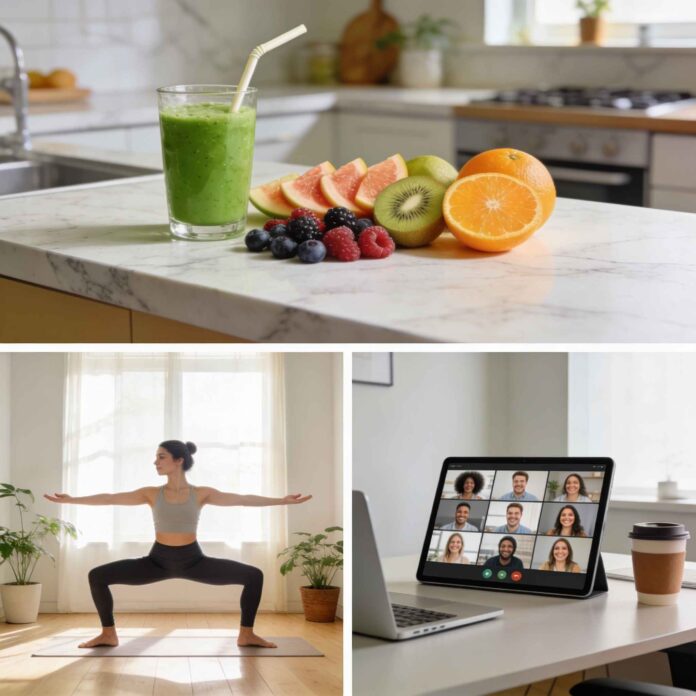
Health content usually fails in one of two ways. It either sounds like a lab report written by someone who has never missed a workout, or it turns into fluffy motivation that helps nobody by Tuesday afternoon. That is why the idea behind LatestHealthTricks lands better than most. It feels smaller, simpler, and a lot more usable.
The “Mini Block” angle matters because people do not need another giant health plan dumped on their heads. They need something they can join, understand, and act on before life gets in the way again. This meet-style format appears to revolve around short sessions, practical tips, community exchange, and a clear focus on wellness topics people already care about, from sleep and food choices to posture, stress, and consistency. It is not trying to impress you with big words. Good. That alone gives it a head start.
What makes this format worth paying attention to is not flash. It is restraint. When health advice stays compact and useful, people actually remember it. That is where this feature starts to earn its place, especially for readers who want progress without turning their routine into a second job.
Why the mini block format makes more sense than big wellness promises
Most people do not fall off healthy routines because they are lazy. They fall off because the plan was built for fantasy, not for real life. A two-hour morning routine looks cute on social media. It looks ridiculous when you have work, family, errands, and a brain that is already tired by noon.
That is where the mini block approach feels smarter. Instead of throwing fifty tips at you and pretending you will follow all of them, it shrinks the frame. You focus on one theme, one session, one useful action. That is not watered-down wellness. That is wellness with manners.
A short, well-run feature has another advantage. It lowers the barrier to entry. Someone who would never join a full seminar or sign up for a complicated health program might still show up for a compact session that respects their time. That matters more than many publishers admit.
Think about a common example. A person wants better energy, but every article pushes meal plans, supplements, workout splits, and sleep trackers all at once. They leave overwhelmed and do nothing. A mini block session built around one win, such as fixing afternoon crashes with a better lunch and water timing, gives that same person a real shot.
Small does not mean weak. Small means usable.
What users are likely to experience inside the meet feature
A feature like this only works if it feels alive. Nobody wants another dead page wearing the costume of community. The better version of this format gives you short talks, guided discussion, practical prompts, and a reason to stay engaged beyond passive reading.
That matters because health advice lands harder when you can react to it. You hear a point, test it against your own routine, ask where it breaks, and adjust. That is a very different experience from scrolling through generic wellness tips while half-watching something else. One helps you think. The other just burns time.
The strongest meet-style sessions usually revolve around a narrow theme. Sleep hygiene. Better snack habits. Five-minute mobility for desk workers. Stress triggers that wreck your food choices. Pick one lane and go deep enough to be useful. That structure respects attention spans without treating readers like children.
There is also a social edge here that should not be ignored. When people hear how others handle similar struggles, the advice stops sounding polished and starts sounding possible. A parent juggling meals for three children, a remote worker with back pain, or a student running on poor sleep gives the topic texture. That texture builds trust.
And trust is the whole game. If the room feels fake, the feature dies.
Where this feature can genuinely help people and where it can fall flat
The best thing about this kind of setup is that it can turn vague intention into a next step. That is a bigger win than it sounds. Plenty of health content makes readers feel informed. Far less makes them change anything by dinner.
A meet feature helps when it forces specificity. Instead of “drink more water,” you get a practical prompt like drinking one glass before caffeine and another with lunch. Instead of “move more,” you get a seven-minute mobility block for stiff hips after sitting all day. These are ordinary examples, but ordinary is where results live.
It also helps people who do better with community pressure, even in mild form. Not harsh pressure. Just enough social friction to stop the endless cycle of saving health advice and never using it. When others show up, share progress, and admit what failed, you are more likely to stay honest with yourself.
Still, let’s not romanticize it. A weak version of this feature can become another content wrapper with thin tips and fake enthusiasm. If the sessions are repetitive, speaker quality is poor, or every topic gets flattened into basic advice, people will spot it quickly. Audiences are not stupid. They know when they are being padded with wellness wallpaper.
So the value depends on execution. Tight topic choice, credible moderation, and practical takeaways make it useful. Hype ruins it fast.
Why community-driven health content is gaining traction right now
People are tired of being talked at. That may be the simplest explanation for why this style of feature is catching attention. Readers still want expert guidance, but they also want space for context, discussion, and a little honesty about how messy routine-building really is.
That is especially true in a media cycle packed with conflicting health advice. One week a habit is praised. Next week it gets dragged. Most readers do not need another dramatic claim. They need a place where ideas can be tested calmly, without every conversation sounding like a sales pitch or a scare tactic.
This is where the community side becomes more than decoration. A meet feature gives structure to the kind of exchange people already look for in comment sections, group chats, and small online circles. The difference is that a good feature can shape that exchange instead of letting it spiral into nonsense.
There is also a timing issue. Shorter, interactive formats suit how people actually consume content now. Long guides still have value, but they ask for sustained focus. A compact event or session can create momentum faster. For many users, that makes it easier to start.
And starting is the hard part. Most health improvement dies before day three, not because the advice was wrong, but because it never felt close enough to real life. This format has a chance to fix that.
What LatestHealthTricks needs to do next to keep this feature worth following
A feature like this cannot survive on novelty alone. The first wave of curiosity gets clicks. The second wave depends on quality. If LatestHealthTricks wants the meet concept to keep growing, it needs discipline more than decoration.
First, the topics need range without becoming random. Readers should know what kind of value they are coming for. Nutrition, sleep, stress, mobility, recovery, and daily habit design make sense together. Tossing in unrelated trends just to chase traffic would weaken the identity.
Second, the sessions need a real editorial filter. Every health space online is crowded with recycled advice and lazy claims. If this feature wants staying power, it should prefer grounded, specific, testable ideas over flashy shortcuts. Readers forgive simplicity. They do not forgive nonsense.
Third, there should be a clean path from session to action. That could mean recap notes, one-week challenges, printable checklists, or links to related articles. Give people a bridge. Do not make them leave motivated and empty-handed.
One more thing matters. Tone. The voice should stay human, useful, and a little sharp when needed. Health publishing often swings between cold and cheesy. Both are exhausting. A strong feature sounds like someone who knows the subject, respects your time, and refuses to waste either.
That is the bar now. Anything lower feels disposable.
Conclusion
The real appeal of LatestHealthTricks is not that it promises some dazzling new answer to health. It is that this meet-style feature seems built around a truth many wellness brands still miss: people need practical help they can carry into ordinary days. Not abstract advice. Not shiny nonsense. Something they can use when work runs late, motivation drops, and life stops behaving.
That makes the mini block idea more than a clever label. It frames health in manageable pieces, and that alone gives it a better shot at changing behavior than louder, bigger, more dramatic formats. The feature works best when it stays grounded, keeps the sessions focused, and treats readers like adults who want clarity, not hype. That is a stronger editorial lane than most sites ever find.
There is also room for growth. With smart moderation, sharper follow-through, and a steady connection to UK Latest news and broader wellness conversations, this format could turn casual readers into loyal participants. It could also give UK Latest news audiences a more useful way to engage with health content that feels current without feeling frantic.
If you are covering digital wellness trends, this is worth watching closely. Better yet, study what makes it stick, then build your next content move around that standard.
What is Mini Block LatestHealthTricks Meet?
Mini Block LatestHealthTricks Meet is a small wellness meetup built around practical advice, short sessions, and conversations. It blends community support with bite-sized health guidance, so you get ideas you can test in daily life without overhauling everything at once.
How does the LatestHealthTricks Meet feature work?
It works by keeping the format tight and useful. Sessions are short, focused, and built around one takeaway, such as sleep habits, smarter meals, mobility work, or stress control. You listen, ask questions, then leave with something concrete to try.
Who should join a Mini Block LatestHealthTricks Meet session?
Most people will find it helpful because the format does not demand elite fitness, expensive gadgets, or medical jargon. Beginners can join without feeling lost, while regular wellness readers still gain sharper ideas, better habits, and accountability from the experience.
Is LatestHealthTricks Meet the same as a normal webinar?
No, it is not the same as a standard webinar. A webinar usually talks at you. This format works better when people interact, compare routines, ask honest questions, and test ideas in real time instead of sitting through a presentation.
What topics are usually covered in LatestHealthTricks Meet events?
People usually discuss sleep, hydration, nutrition basics, posture, stress, movement, and habits that bring steady results. The strongest sessions avoid miracle claims and stick to realistic actions, because that is what people remember and what they are likely to keep.
What are the biggest benefits of joining this feature?
The main benefit is clarity. You leave with fewer vague intentions and more specific actions. That matters because most wellness advice fails when it becomes too broad, too extreme, or too polished to fit a normal schedule and budget well.
Where can you find Mini Block LatestHealthTricks Meet updates?
Start by checking the site, related social pages, community channels, or event listings that mention wellness workshops and health meetups. If nothing appears locally, keep watching digital sessions, because these small-format events often run online before expanding into physical spaces.
What should you bring to a LatestHealthTricks Meet session?
Bring a notebook, water, and a willingness to be honest about what is not working in your routine. You do not need fancy equipment. You need attention, curiosity, and enough discipline to test one useful idea after the session ends.
How can you use advice from the meet in daily life?
Treat the best idea from the session like a seven-day experiment. Do not collect ten tips and ignore them all. Pick one habit, attach it to an existing routine, track how it feels, and decide whether it deserves a place.
Can LatestHealthTricks Meet replace medical advice?
It can support better habits, but it should not replace professional medical care. General wellness guidance is helpful for routines, prevention, and motivation. Once symptoms become persistent, painful, or worrying, you need a qualified clinician, not another community discussion session.
Is the information shared in these sessions trustworthy?
That depends on who runs it. A smart event will reference credible health guidance, avoid magic-fix language, and explain limits clearly. A weak event leans on hype. The difference shows fast when speakers discuss real trade-offs instead of selling certainty.
Can Mini Block LatestHealthTricks Meet be attended online?
Yes, the format suits digital sessions well because short segments, audience questions, and themes translate nicely online. In fact, online access may help more people join consistently, especially those who want practical wellness guidance without travel, scheduling strain, or pressure.

