
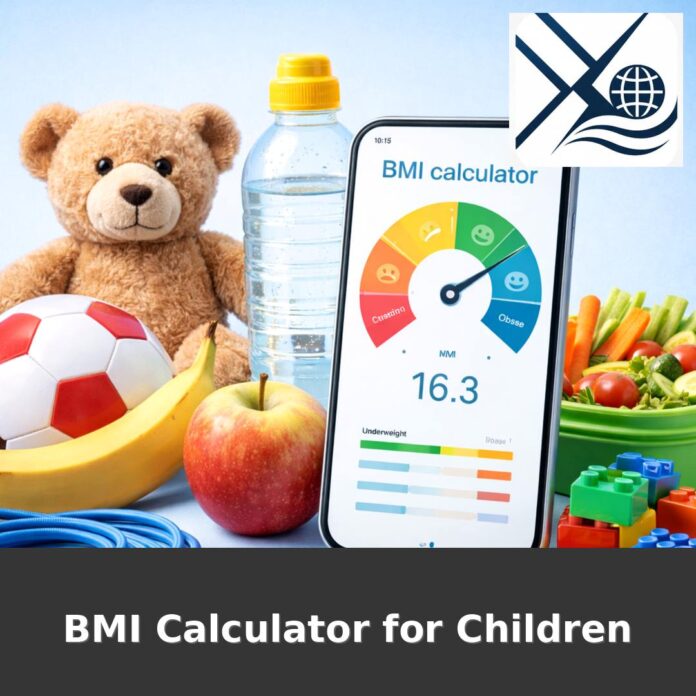

Growth talk has shifted. Parents now swap percentile screenshots in group chats, schools send wellbeing notes, and social platforms amplify before-and-after narratives that rarely fit real childhood development. In that noise, a BMI calculator for children can look like a simple number, but it’s really a checkpoint—one that needs context, calm interpretation, and respect for how fast bodies change. Childhood weight assessment isn’t the adult version shrunk down. It sits inside growth patterns, puberty timing, muscle gain, and family history. Used carefully, it helps identify trends early. Used carelessly, it can create anxiety where none is needed.
Why a BMI calculator for children behaves differently than adult BMI
A BMI calculator for children doesn’t interpret the number in isolation. The same BMI can mean different things at different ages because children are growing in height and changing body composition constantly. That’s why most clinical approaches rely on age-and-sex reference charts rather than a single adult threshold.
A BMI calculator for children is best read as a trend line, not a verdict. One measurement after a holiday season can be misleading. Repeated measurements over time, taken consistently, make the picture clearer without forcing drama into normal variation.
Growth patterns matter more than a single reading
Child growth isn’t smooth. It comes in spurts, stalls, and sudden stretches where appetite and energy don’t match the calendar. A BMI calculator for children can shift simply because height jumps before weight catches up—or the reverse. That movement can be perfectly ordinary.
What raises eyebrows is persistence: a pattern that drifts over months, especially if it aligns with changes in sleep, mood, stamina, or eating behaviour. A BMI calculator for children becomes meaningful when it’s paired with the lived reality of the child, not when it’s used as a stand-alone scoreboard.
Age, sex, and puberty timing change the interpretation
Two children can share the same classroom and have completely different developmental timelines. Puberty can bring rapid fat redistribution, muscle growth, and appetite shifts, and those changes don’t arrive on a neat schedule. A BMI calculator for children must account for that, which is why age-and-sex context is central.
Early or late puberty can make a healthy child look “off” on a quick glance. The better question is whether growth and wellbeing remain steady. A BMI calculator for children is a prompt to look closer, not a reason to label.
What “healthy weight” means in a childhood setting
Healthy weight in childhood is rarely about hitting a particular look or chasing an arbitrary target. It’s about supporting growth, energy, and long-term health without turning food into a battleground. A BMI calculator for children can contribute to that conversation, but only if it’s framed properly.
Healthy weight assessment also avoids shaming language. The aim is to protect confidence while improving habits. If a BMI calculator for children is producing distress, the approach needs recalibration before any numbers are discussed again.
When a BMI calculator for children can be misleading
BMI does not directly measure body fat. A sporty child with more muscle may appear heavier on BMI than their health profile suggests. Likewise, a child can sit in a “normal” BMI zone while still struggling with poor nutrition, inactivity, or sleep disruption. A BMI calculator for children can miss those realities.
Measurement technique also matters. Inconsistent height measurement, shoes on versus off, different scales, different times of day—small errors stack up. If the BMI calculator for children output swings wildly, the first suspect is often the measurement process, not the child.
How to use results without turning them into pressure
Numbers land differently in a child’s head. Even well-meaning comments can stick. If adults treat a BMI calculator for children like a pass/fail test, children often absorb the tension and translate it into shame or restriction. That’s where harm begins.
The healthier play is quiet monitoring and gentle environment changes: regular meals, better sleep structure, more movement that feels like play, fewer ultra-processed snacks at home. A BMI calculator for children should support calmer decisions, not become a weekly ritual of judgement.
Red flags that deserve a professional conversation
A BMI calculator for children is not a diagnostic tool, but it can flag patterns that merit a check-in. Sudden weight loss, stalled growth, chronic fatigue, breathlessness with ordinary activity, or persistent body-image distress should never be brushed off. The concern isn’t the number alone—it’s the direction and the accompanying symptoms.
Also watch for extremes in eating behaviour: fear of food, secretive eating, rigid restriction, or panic around meals. If a BMI calculator for children has become central to family tension, professional guidance can reset the tone and keep the child protected.
Building a healthier baseline without diet culture
A healthy baseline is built through routines that feel normal, not through “fixes.” Regular sleep, consistent meal timing, water access, and daily movement matter more than dramatic short-term changes. A BMI calculator for children fits best inside that steady approach.
Focus on what the child can do: stronger stamina, better concentration, improved mood, less fatigue. If those improve, weight often follows a healthier trajectory naturally. A BMI calculator for children becomes a background reference rather than the headline of family life.
Conclusion
A BMI calculator for children is useful when it’s treated like a signpost, not a sentence. Childhood growth is dynamic, personal, and full of variability that adult frameworks can’t capture. The number can prompt attention, but the real story sits in patterns—over time, across seasons, and alongside wellbeing.
If the reading creates concern, the smartest next move is usually boring: recheck measurements, look for trends, and talk to a qualified professional if red flags exist. The goal isn’t to “win” a chart. It’s to support a child’s health while protecting confidence, relationship with food, and day-to-day happiness.
What age range suits a BMI calculator for children?
Most tools cover ages 2–17. It works best when age and sex are entered accurately, because interpretation depends heavily on both factors.
Can a BMI calculator for children diagnose obesity?
No. It can flag potential risk, but diagnosis needs clinical context—growth history, health markers, and professional assessment, not only one reading.
Why does my child’s BMI change quickly?
Growth spurts, measurement differences, and seasonal routine changes can shift BMI. A BMI calculator for children is most meaningful when tracked over time.
Should children weigh themselves regularly?
Usually not. Frequent weighing can fuel anxiety. If monitoring is needed, keep it adult-led and infrequent, and focus conversation on health habits.
Can athletic kids look “high” on BMI?
Yes. Muscle increases weight without reflecting excess fat. A BMI calculator for children can overestimate risk for muscular or highly active children.
What’s the best way to measure height for accuracy?
Use a wall, no shoes, heels back, eyes forward, and measure twice. Small errors can distort a BMI calculator for children result.
Is BMI useful for children under 2?
Not typically. Infants use different growth measures. For under-2s, weight-for-length charts are more relevant than a BMI calculator for children.
What if BMI looks low but my child seems fine?
One low reading can be normal. Look for energy, growth direction, and appetite stability. If concerns persist, seek clinical guidance.
How often should BMI be checked?
Occasionally—every few months, not weekly—unless a clinician advises otherwise. A BMI calculator for children is a trend tool, not a routine test.
How do I discuss weight without harming confidence?
Avoid labels and body talk. Discuss strength, energy, sleep, and food quality. Keep the BMI calculator for children number private whenever possible.