
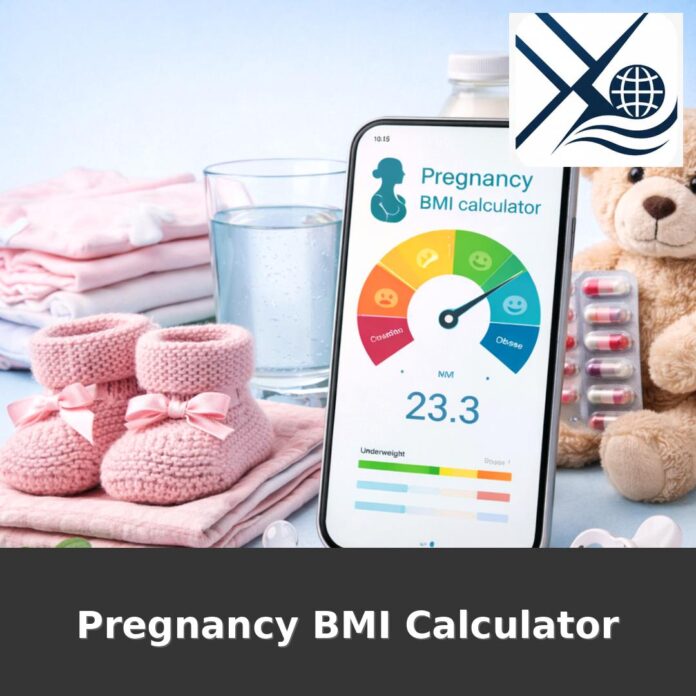

Pregnancy has become a numbers game in public life: scans, weeks, due dates, blood pressure readings, glucose checks. Weight is part of that conversation whether anyone enjoys it or not. A Pregnancy BMI calculator sits right at the centre, because it’s often the first measurement that shapes what “routine” care looks like from booking onward. But the part people actually want is simpler: what feels like a safe weight range during pregnancy, and what starts to look unusual. The honest answer is that range is real, but it’s not one-size-fits-all.
Why BMI still shapes pregnancy care
A Pregnancy BMI calculator isn’t used because clinicians think weight explains everything. It’s used because it predicts enough. BMI at booking is a crude proxy for how the body handles inflammation, blood sugar, blood pressure, and anaesthetic risk.
That’s why the same pregnancy can feel completely different in the system depending on that first number. Extra scans, aspirin discussions, glucose testing plans, referral thresholds—BMI quietly nudges them.
Still, BMI can’t tell the story of fitness, diet quality, swelling, muscle mass, or previous pregnancies. It sets context. It does not write the ending.
People hear “safe weight range” and picture a single target. Pregnancy doesn’t work like that. A Pregnancy BMI calculator can frame a starting point, but weight gain is made of many moving parts: baby, placenta, blood volume, fluid shifts, breast tissue, and some fat stores.
Most gain tends to arrive later rather than evenly, which is why early weeks can feel deceptively static. Then the curve changes.
A sensible range is less about hitting a perfect total and more about avoiding extremes—rapid jumps, persistent losses, or patterns that don’t match appetite, activity, and how bump measurements are tracking in clinic.
First trimester reality check
Early pregnancy is where the Pregnancy BMI calculator can cause the most confusion. Nausea, vomiting, food aversions, and fatigue can flatten weight gain—or even pull it down.
Some bodies hold fluid early. Others don’t. Some people stop caffeine and alcohol and eat more; others can barely tolerate toast. It all shows up on the scales, and none of it automatically signals a problem.
What matters is the direction paired with symptoms. A steady drift while you feel broadly well is different from weight dropping alongside dehydration, faintness, or repeated vomiting that won’t settle.
If you started underweight
When the Pregnancy BMI calculator places someone under the underweight threshold, the conversation shifts toward building reserves without turning meals into a daily battle. The goal isn’t “more weight” in the abstract. It’s stable intake, stable energy, and enough nutrients to support growth.
In practice, teams may watch growth scans more closely, especially if early sickness was intense. Calorie density becomes relevant: adding fats, dairy, or extra portions where tolerated.
But underweight does not mean fragile. Some people are naturally lean and do well. The safer range usually comes from consistency—regular eating, fewer long gaps, and a pattern that doesn’t keep sliding.
If you started in the typical BMI range
For someone starting in the mid-range, a Pregnancy BMI calculator often lines up with what many people informally expect: gradual gain, mostly after week 20, with clothing changes before the scales move much.
A commonly mentioned overall gain for many singleton pregnancies sits around the low double-digits in kilograms, but pregnancy is full of exceptions. Heat, salt, long car journeys, and standing all day can push fluid up quickly.
That’s why the safer lens is trend over time. Small week-to-week fluctuations can be meaningless. A sustained upward surge, especially with swelling or headaches, is the pattern that gets attention.
If you started overweight
When a Pregnancy BMI calculator places someone in the overweight bracket, the “safe weight range” tends to be narrower, not because pregnancy is a punishment, but because extra gain stacks risk without adding benefit.
Some maternity services discuss a smaller overall gain—often a mid-single to low-double digit kilogram band—while keeping the focus on food quality and steady movement rather than restriction.
The emotional side matters too. Over-monitoring can backfire. The best care looks calm: regular appointments, consistent meals, and a plan that doesn’t treat hunger like a moral failing. The scale is data, not a verdict.
If you started with a BMI of 30 or above
A Pregnancy BMI calculator that lands at 30+ can trigger a long list of “extras”: consultant review, thrombosis risk conversations, glucose checks, and sometimes additional scans. None of that means something is already wrong. It means teams plan ahead.
Weight loss efforts during pregnancy aren’t usually the aim in this group. The safer approach typically centres on avoiding excessive gain and keeping patterns stable. Many clinics discuss limiting gain to a modest total, with flexibility for swelling, diabetes treatment changes, or multiple pregnancy.
Expect the range to be personalised. Prior birth history, blood pressure, and scan findings often matter more than the number itself.
When the calculator is the least useful
The Pregnancy BMI calculator loses power in certain scenarios, and it’s worth saying plainly. Multiple pregnancy changes expectations because you’re carrying more placental tissue and more fluid. So do some medical conditions that shift fluids or appetite.
Steroids can change weight quickly. Severe reflux can suppress intake. Anaemia can distort energy and movement patterns. Oedema can add kilograms without reflecting fat gain at all.
In these cases, “safe weight range” becomes a clinical judgement built from symptoms, blood pressure, urine checks, growth measures, and how you feel day to day. The scales are one piece, not the headline.
Conclusion
A Pregnancy BMI calculator can be a useful starting frame, especially at booking, when care plans are being set and risks are being discussed. But pregnancy weight isn’t a simple scoreboard. It’s biology, fluid, appetite shifts, and a body adapting in real time. A safe weight range during pregnancy is rarely one clean number; it’s a band that stays believable when matched against symptoms, scan results, and clinic measurements. If anything feels off—fast gain, ongoing loss, swelling that won’t settle—bring it into the room. The best outcomes tend to come from steady patterns, not perfect totals.
Should I use my pre-pregnancy weight in a Pregnancy BMI calculator?
Use your pre-pregnancy height and weight. If you only have today’s weight, pregnancy gain skews the number, so raise it at booking in early pregnancy.
What does a Pregnancy BMI calculator change in my antenatal care?
BMI is a screening tool, not a judgement. It helps teams plan checks for blood pressure, glucose, and growth when risk tends to rise higher.
Can I try to lose weight while pregnant if my BMI is high?
No. If your BMI is 30 or above, pregnancy is not a time to diet. Aim for balanced meals and keep appointments for steady energy.
What’s a typical safe weight range during pregnancy for many people?
Weight gain varies, but many women add most after week 20. A commonly cited overall range is about 10–12.5 kg across pregnancy for singleton pregnancies.
What if my Pregnancy BMI calculator shows I started overweight?
If you started overweight, some services suggest a smaller gain, often around 7–11 kg. Your midwife may personalise targets to you across the whole pregnancy.
What if my Pregnancy BMI calculator shows I started obese?
If you started obese, many clinics aim for limited gain, sometimes under about 10 kg. Targets shift with twins, swelling, or diabetes over full term.
Which weight changes should feel like a red flag?
Rapid gain, persistent swelling, breathlessness, or headaches can suggest fluid issues. Sudden loss, low intake, or vomiting deserves prompt review, even when everything seems fine.
Does a Pregnancy BMI calculator work the same for twins?
Yes. Multiple pregnancy changes expectations. You carry more fluid and placental tissue, so safe weight range decisions should follow specialist care and scan findings too.
Should I track weight weekly or just at appointments?
Check BMI early, then follow the trend. One reading matters less than direction, appetite, activity, and how you and baby measure at each appointment, calmly.
When should I recheck my BMI after giving birth?
Your BMI can change after birth. Recalculate around six weeks, then again at three months, when fluid shifts settle and routines return before setting goals.