
Weight management remains one of the most common health challenges facing adults today. Busy schedules, sedentary lifestyles, stress, and easy access to high-calorie foods can make achieving and maintaining a healthy weight increasingly difficult. While traditional approaches such as diet modifications and exercise remain essential, many individuals find that persistent hunger, cravings, and overeating habits create significant obstacles to long-term success.
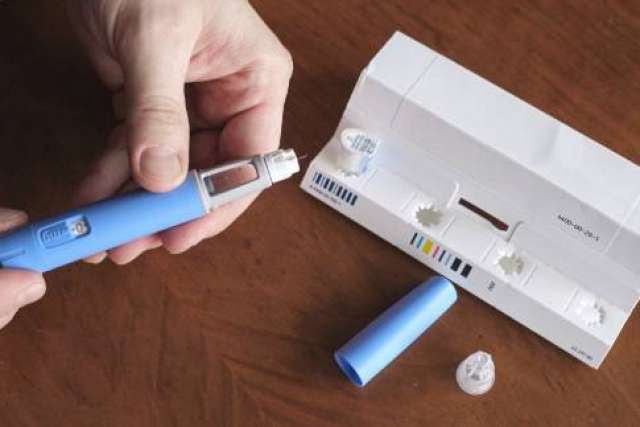
As medical science continues to advance, healthcare providers now offer innovative solutions designed to address the biological factors that influence weight gain. Among these options, appetite suppressant injections have emerged as a popular and medically supervised treatment for individuals seeking additional support in their weight-loss journey. These injections can help reduce hunger signals, improve portion control, and encourage healthier eating patterns when combined with lifestyle changes. Authentic Medical emphasizes personalized weight-management strategies that align with each individual’s health goals and medical needs.
Understanding how these treatments work, who may benefit from them, and how they fit into a comprehensive weight-management strategy can help individuals make informed decisions about their health and wellness goals.
Understanding Appetite Suppressant Injections
Appetite suppressant injections are medical treatments designed to help regulate hunger and support weight-loss efforts. Unlike traditional weight-loss products that often rely on stimulants or temporary fixes, these injections are typically prescribed and monitored by qualified healthcare professionals as part of a structured weight-management program.
The primary goal of these treatments is to help individuals feel satisfied with smaller portions of food and reduce the urge to snack excessively between meals. By addressing appetite regulation, patients may find it easier to maintain a calorie-controlled diet and develop healthier eating habits over time.
Medical providers carefully evaluate each patient’s health history, current weight, lifestyle factors, and wellness objectives before recommending a treatment plan. This personalized approach helps ensure that the chosen strategy aligns with individual needs and promotes safe, effective results.
Why Hunger Control Matters in Weight Loss
Many people assume weight loss is simply a matter of eating less and exercising more. While calorie balance plays an important role, the reality is often much more complex. Hunger is influenced by a combination of biological, hormonal, psychological, and environmental factors.
For individuals attempting to lose weight, excessive hunger can lead to:
- Frequent snacking
- Larger meal portions
- Emotional eating
- Reduced adherence to diet plans
- Increased frustration and discouragement
When hunger remains difficult to manage, even highly motivated individuals may struggle to maintain consistent progress. This is one reason why medically guided solutions that address appetite regulation have gained attention in the healthcare community.
By helping individuals feel fuller for longer periods, appetite-control therapies can make healthy eating patterns more sustainable and less restrictive.
How Appetite Suppressant Injections Support Healthy Eating Habits
One of the key advantages of appetite suppressant injections is their ability to complement healthy lifestyle changes rather than replace them. These treatments are most effective when incorporated into a broader wellness strategy that includes proper nutrition, physical activity, and ongoing medical guidance.
Potential benefits may include:
Reduced Cravings
Many individuals experience strong cravings for high-calorie foods, particularly during periods of stress or fatigue. Appetite-control treatments may help reduce the frequency and intensity of these cravings, making it easier to make healthier food choices.
Improved Portion Control
Oversized portions have become increasingly common in modern diets. By promoting feelings of fullness, appetite-management therapies can help individuals become more satisfied with smaller meals.
Better Dietary Consistency
Maintaining a healthy eating plan requires consistency over time. Appetite regulation may help reduce the temptation to abandon nutritional goals when hunger becomes overwhelming.
Enhanced Motivation
Seeing measurable progress can encourage continued commitment to healthy habits. When hunger becomes more manageable, individuals often find it easier to stay focused on long-term objectives.
Who May Benefit from Appetite Suppressant Injections?
Not everyone faces the same challenges when it comes to weight management. Some individuals struggle with metabolic factors, while others encounter behavioral or lifestyle obstacles that make weight loss more difficult.
Healthcare providers may consider appetite-management treatments for individuals who:
- Have difficulty controlling hunger
- Experience frequent food cravings
- Struggle with portion control
- Have not achieved desired results through diet and exercise alone
- Need additional support within a medically supervised weight-loss plan
Before recommending any treatment, providers typically conduct a comprehensive evaluation that may include:
- Review of medical history
- Assessment of current health status
- Weight and body composition analysis
- Lifestyle and nutrition review
- Discussion of wellness goals
This evaluation helps determine whether appetite-control therapies are appropriate and ensures that patients receive personalized care.
The Importance of Professional Medical Guidance
Weight management treatments should never be approached as one-size-fits-all solutions. Professional oversight plays a critical role in ensuring safety, effectiveness, and long-term success.
Healthcare providers can help patients:
- Establish realistic expectations
- Monitor progress regularly
- Adjust treatment plans as needed
- Address potential challenges
- Develop sustainable lifestyle habits
Medical supervision also helps individuals understand how appetite-management therapies fit into broader health objectives rather than viewing them as standalone solutions.
A personalized strategy often produces better outcomes than generalized weight-loss approaches because it takes into account each individual’s unique health profile and circumstances.
Lifestyle Habits That Maximize Results
While appetite suppressant injections can provide valuable support, long-term success depends on maintaining healthy daily habits. Sustainable weight management requires a combination of medical guidance and lifestyle improvements.
Focus on Nutrient-Dense Foods
A balanced diet rich in whole foods helps support overall health while promoting satiety. Key food groups include:
- Lean proteins
- Fruits and vegetables
- Whole grains
- Healthy fats
- Fiber-rich foods
These foods can help individuals feel fuller for longer periods while providing essential nutrients.
Stay Physically Active
Regular movement contributes to weight management and overall wellness. Physical activity supports cardiovascular health, muscle maintenance, and energy balance.
Examples include:
- Walking
- Strength training
- Cycling
- Swimming
- Group fitness classes
Consistency often matters more than intensity when establishing a sustainable exercise routine.
Prioritize Sleep Quality
Sleep plays a significant role in appetite regulation and overall health. Insufficient sleep can affect hormones that influence hunger and food cravings.
Adults should aim for adequate, consistent sleep schedules to support wellness goals.
Manage Stress Effectively
Stress can contribute to emotional eating and unhealthy food choices. Developing stress-management techniques may help individuals maintain healthier habits.
Helpful strategies include:
- Mindfulness practices
- Meditation
- Deep breathing exercises
- Physical activity
- Time management techniques
Addressing stress can improve both mental and physical well-being.
Common Misconceptions About Appetite-Control Treatments
As interest in medical weight-loss solutions grows, misconceptions continue to circulate. Understanding the facts can help individuals make informed healthcare decisions.
Myth 1: Injections Replace Healthy Habits
These treatments are designed to support lifestyle changes, not replace them. Healthy eating and regular physical activity remain essential components of successful weight management.
Myth 2: Results Are Instant
Sustainable weight loss takes time. Progress typically occurs gradually through consistent adherence to treatment recommendations and healthy behaviors.
Myth 3: Every Individual Responds the Same Way
Each person’s body responds differently to weight-management strategies. Personalized medical care helps identify the most appropriate approach for individual circumstances.
The Growing Role of Medical Weight Management
The healthcare industry increasingly recognizes that obesity and weight-related concerns involve complex biological and behavioral factors. Modern weight-management programs focus on providing evidence-based solutions that address these challenges through comprehensive care.
This shift reflects a broader understanding that successful weight management often requires more than self-discipline alone. Medical professionals can provide valuable tools, education, and support that empower patients to achieve healthier outcomes.
As research continues to evolve, medically supervised treatments are expected to remain an important component of personalized wellness strategies.
Conclusion
Achieving long-term weight-management success often requires a combination of professional guidance, healthy lifestyle habits, and effective tools that address the underlying factors influencing appetite and eating behaviors. Appetite suppressant injections have become a valuable option for individuals seeking medically supervised support in managing hunger, improving portion control, and maintaining healthier dietary patterns. Authentic Medical provides patient-focused care that prioritizes safety, individualized treatment planning, and sustainable wellness outcomes.
When combined with balanced nutrition, regular physical activity, quality sleep, and ongoing healthcare oversight, these treatments can contribute to sustainable progress and improved overall well-being. Individuals considering appetite-management therapies should consult qualified medical professionals to determine the most appropriate path toward achieving their health and weight-loss goals.